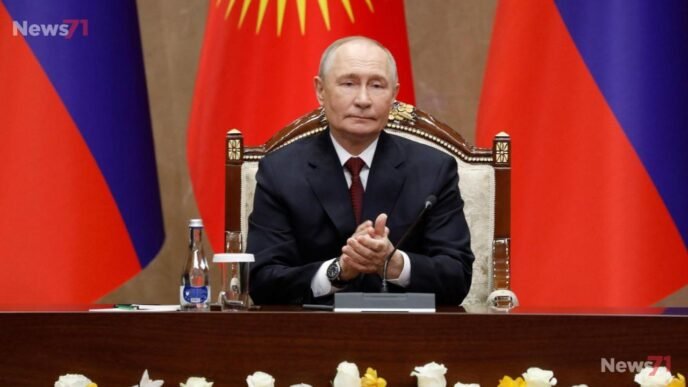

The latest Ukraine talks have offered a revealing glimpse into Russian President Vladimir Putin’s current mindset and strategic intentions. The outcome suggests that Moscow is nowhere near ready to commit to a peace agreement, at least not at this stage, and certainly not to any proposals currently being discussed by Western or Ukrainian negotiators.
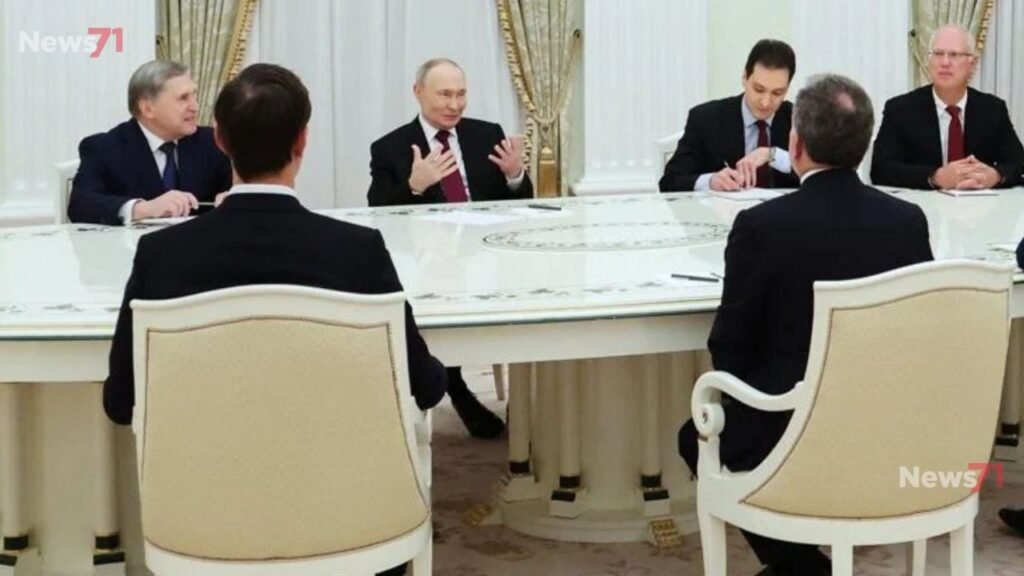
Following an intensive five hour meeting in Moscow that included Putin, US envoy Steve Witkoff, and Donald Trump’s adviser Jared Kushner, Kremlin foreign policy aide Yuri Ushakov admitted that progress was minimal. According to him, no compromise version suitable for both sides has been reached. This lack of movement aligns with Putin’s recent public rhetoric, which has grown increasingly hostile and dismissive of Ukraine’s political leadership.
Latest Ukraine talks offer new clues about Vladimir Putin’s shifting state of mind
In his latest remarks, Putin has described Ukraine’s government as a thieving junta and accused European governments of intentionally disrupting peace efforts. At the same time, he has insisted publicly that Russian forces continue to maintain battlefield momentum. Russian state television has repeatedly shown the president appearing in military fatigues, studying maps of the front line and celebrating what the Kremlin portrays as significant territorial gains. Many of these claims have been challenged or denied by Ukrainian officials and by international observers.
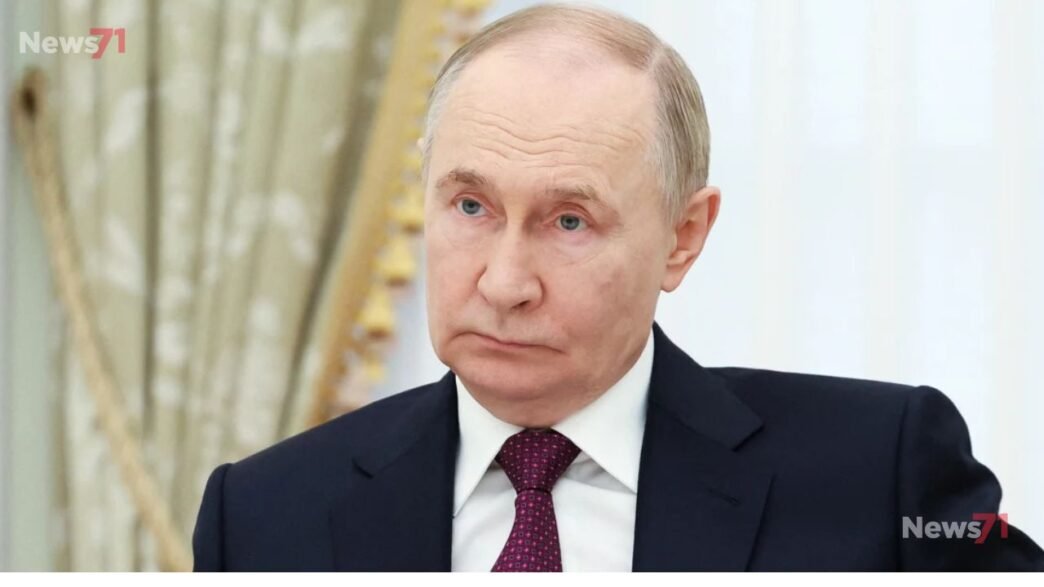
Nearly four years into Russia’s full scale invasion, Putin appears more convinced than ever that persistence will ultimately lead to victory. Despite heavy military casualties and severe economic strain caused by international sanctions, he projects total confidence in Russia’s ability to outlast Ukraine and its Western partners. This is the image he wants both domestic and foreign audiences to see: a leader who cannot be pressured, persuaded, or pushed off his warpath.
Putin’s approach has often been likened to a vehicle racing ahead without brakes or the ability to change direction. After years of war, the metaphorical Putinmobile shows no sign of slowing or turning. He clearly wants Ukraine, Europe, and Washington to believe that nothing can force him to revise his military plans.
Yet even the strongest engines eventually require fuel. For Russia, the fuel that sustains this war is economic strength and steady revenue. Although the Kremlin has managed to finance its military operation despite sweeping sanctions, pressure is mounting. Oil and gas income has declined and the national budget deficit is expanding. Putin has publicly acknowledged that the Russian economy faces imbalances, noting that several important sectors have experienced shrinking output rather than growth.
The major unanswered question is whether these economic problems will eventually play a role in shaping the Kremlin’s decisions about the war. At what point, if ever, might financial strain begin to outweigh military ambition. For now, the Ukraine talks indicate that Moscow is determined to continue its campaign, confident that time still works in Russia’s favor. Whether that confidence is grounded in reality remains to be seen.
Also Check:
- Donald Trump vowed to usher in a new “golden age” for the US economy but where is it now?
- UK aid cuts slash funding to counter Russian influence in western Balkans
- Trump Bah! Humbug! Speech Casts a Dark Shadow Over the Holiday Season
- EU Debates Using Frozen Russian Assets as Pressure Mounts Over Ukraine’s Future
- Trump Orders Total Blockade of Sanctioned Venezuelan Oil Tankers
Source:BBC