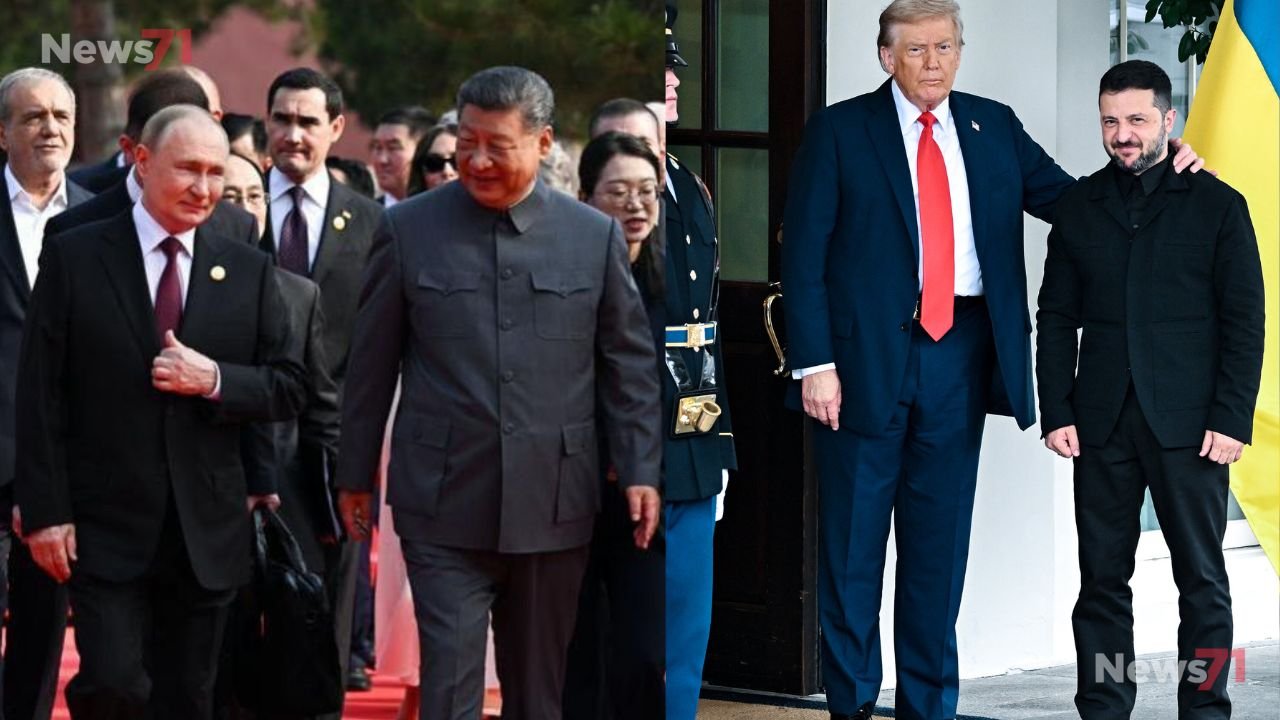

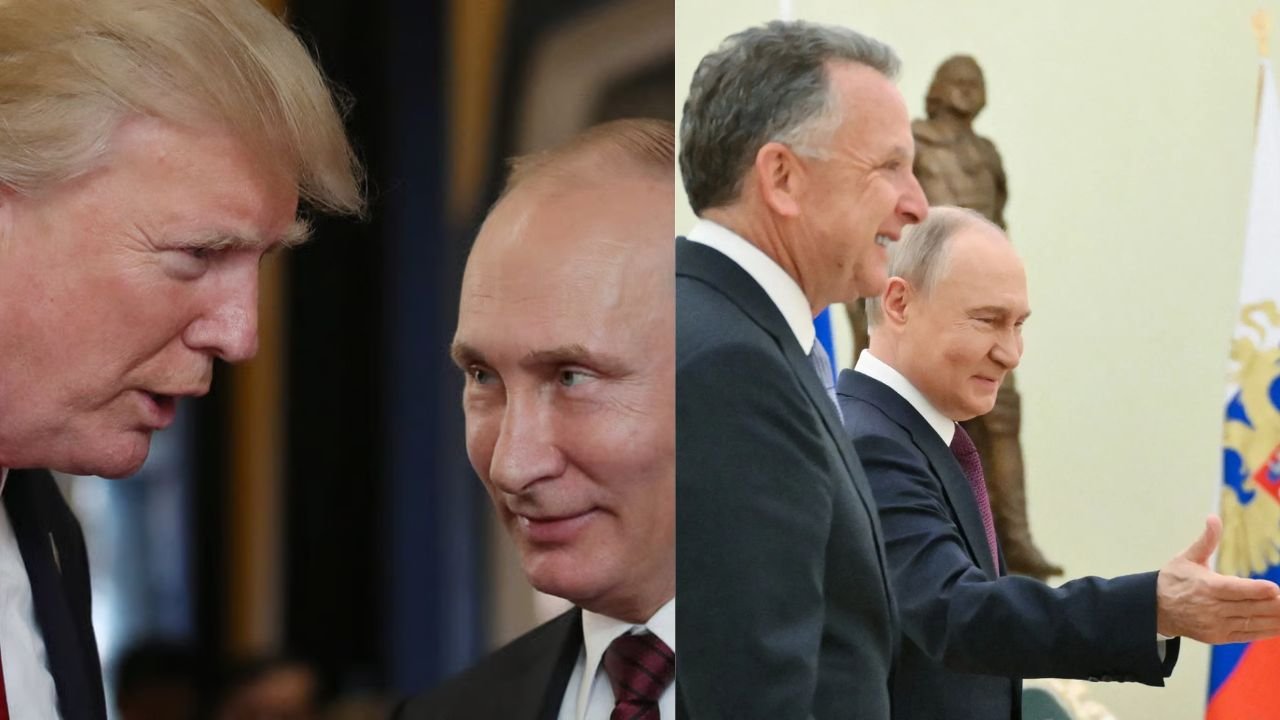
Just a week ago, it seemed like history was repeating itself for Washington and Moscow. After weeks of diplomatic back-and-forth, President Donald Trump and Russian President Vladimir Putin once again found themselves at the center of renewed talks about peace in Ukraine. But this time, things took a very different turn. Amid growing tensions and threats from Washington to arm Kyiv with Tomahawk missiles, Trump and Putin held a phone conversation that led to the announcement of a planned US-Russia summit in Budapest. It felt like deja vu for many observers. Only a year earlier, under similar circumstances, Putin had met Trump’s envoy in Alaska, leading to another high-profile meeting that achieved little. This time, however, Trump chose a new path. Shortly after the Budapest summit was announced, he abruptly canceled it, stating that it did not seem likely to achieve meaningful results. It didn’t feel like we were going to get to the place we have to get, Trump told reporters.
Trump Toughens Stance on Putin as US-Russia Talks Collapse Over Ukraine
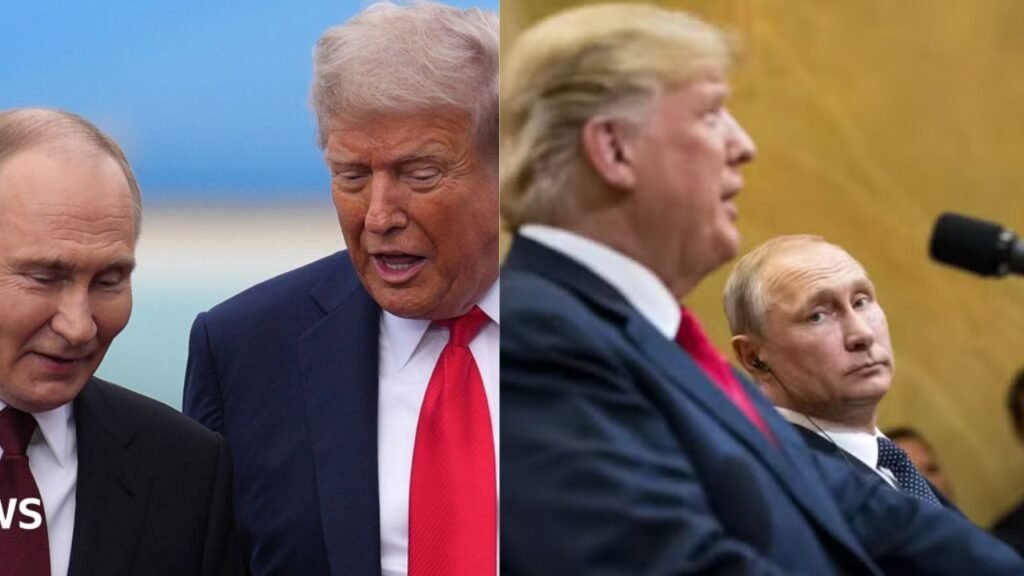
The cancellation marked a sharp shift in the US president’s approach toward the Kremlin. Until now, Trump had often preferred diplomacy and negotiation to confrontation. But with frustration mounting over Russia’s continued aggression in Ukraine, that approach has clearly changed. Trump toughens stance on Putin by imposing economic sanctions on two of Russia’s largest oil companies, Rosneft and Lukoil. While analysts say the new measures are unlikely to force Moscow into retreat, they do represent a significant shift in tone from Washington. Trump’s latest decision suggests that the White House is ready to rely on pressure rather than persuasion to influence Russian behavior. The response from Moscow was immediate and fierce. Putin condemned the new sanctions as an unfriendly act and accused the United States of trying to intimidate Russia. Former President Dmitry Medvedev went even further, calling Washington an enemy and describing the sanctions as an act of war. Russian media outlets echoed similar sentiments, accusing the US of inconsistency and capriciousness in its foreign policy.
Behind the scenes, Secretary of State Marco Rubio had been tasked with laying the groundwork for the Budapest summit. However, after consultations with Russian Foreign Minister Sergei Lavrov, it became evident that there was little chance of progress. Russia continues to reject Trump’s proposal to freeze current battle lines in Ukraine, insisting instead on full control of the Donbas region. Despite facing growing isolation, Moscow remains firm on its conditions. It demands that NATO expansion be halted and that Ukraine return to its sphere of influence—terms that neither Kyiv nor Washington are willing to accept. The collapse of the Budapest summit highlights the fragile state of global diplomacy. It also signals a clear shift in US policy. For now, Trump has traded soft diplomacy for a harder edge. Whether this new strategy will yield results or lead to yet another cycle of tension remains to be seen.
But one thing is certain: Trump toughens stance on Putin, and the world is watching closely.