

US President Donald Trump has instructed federal agencies to explore whether certain branches of the Muslim Brotherhood should be formally designated as terrorist organizations. If implemented, this step would impose wide reaching economic penalties and travel restrictions on the group. The directive, issued through an executive order on Monday, requires senior officials to investigate whether the chapters operating in Egypt, Lebanon and Jordan meet the criteria for inclusion on the list of foreign terrorist organizations and specially designated global terrorists. According to the text of the order, the administration believes these branches of the Muslim Brotherhood have possible links with Hamas and may be engaged in regional activities that undermine stability and threaten United States interests. By initiating this review, the White House seeks to determine whether the group’s wider network is connected to violence or subversive operations that could justify sanctions.
New Trump Order Seeks Terror Review of Key Muslim Brotherhood Chapters
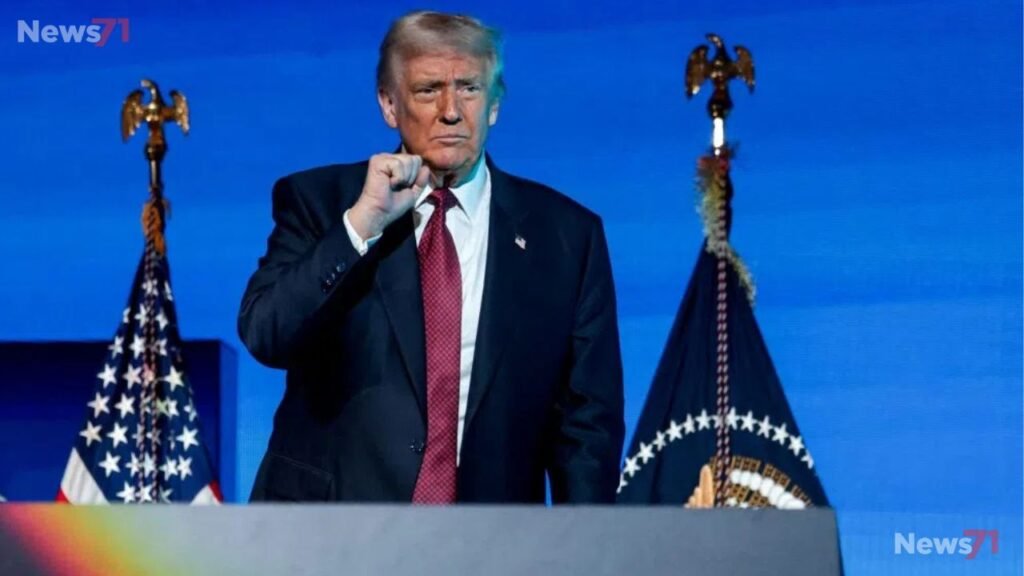
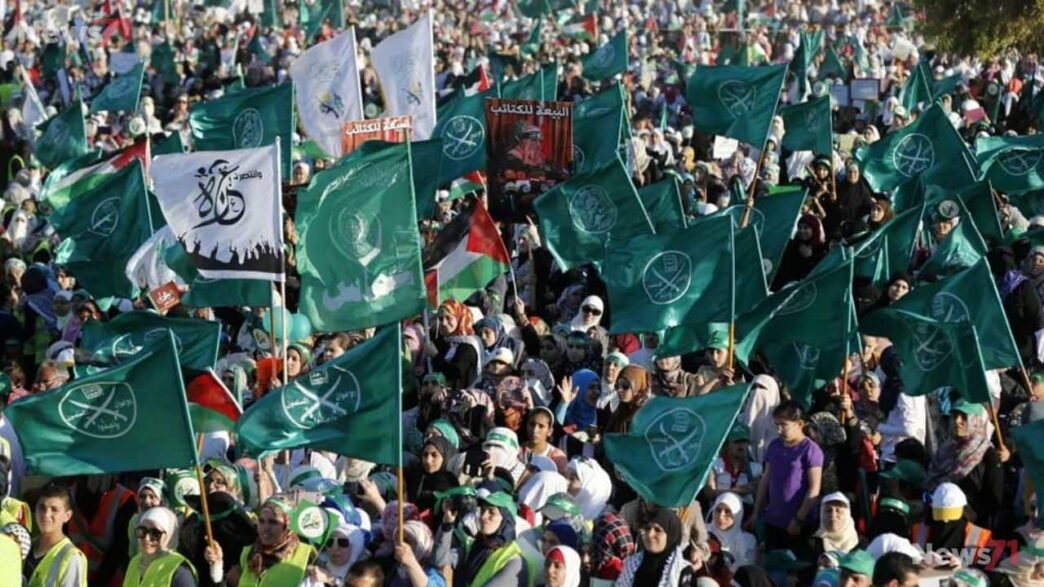
The Muslim Brotherhood, founded nearly a century ago in Egypt, has long been a controversial political and social movement. Several governments in the Middle East have outlawed the organization, accusing it of seeking to challenge state authority and promote an agenda based on strict interpretations of Islamic law or Sharia. The group’s status varies widely from country to country and each chapter functions differently, but its global influence has made it a frequent target of international scrutiny. Under Trump’s order, Secretary of State Marco Rubio and Treasury Secretary Scott Bessent must consult Attorney General Pam Bondi and Director of National Intelligence Tulsi Gabbard to compile a detailed report within 30 days. After the report is submitted, officials would then have an additional 45 days to recommend specific sanctions or restrictions if they conclude that such actions are justified. If the Muslim Brotherhood or its selected chapters are ultimately designated as terrorist entities, it would become illegal for individuals or organizations in the United States to offer them material support. Their members could also be barred from entering the country, and any financial assets connected to the organization that fall under United States jurisdiction would be frozen.
The White House stated that President Trump intends to confront what it describes as the Muslim Brotherhood’s transnational network, which it accuses of fostering instability and supporting activities harmful to United States allies in the Middle East. This move follows recent actions taken in Texas, where the state government declared the Muslim Brotherhood a foreign terrorist organization and a transnational criminal organization. That order also applied the same designation to the Council on American Islamic Relations, a major Muslim advocacy group in the United States, preventing both organizations from purchasing property in the state. The Muslim Brotherhood has been banned in Egypt and several Arab countries for years, with those governments viewing it as a significant political threat. In April, Jordan prohibited the group after arresting several members suspected of planning attacks involving rockets and drones. The renewed scrutiny from the United States marks another turning point in the ongoing debate surrounding the Muslim Brotherhood and its role in regional and global politics.
source:BBC