
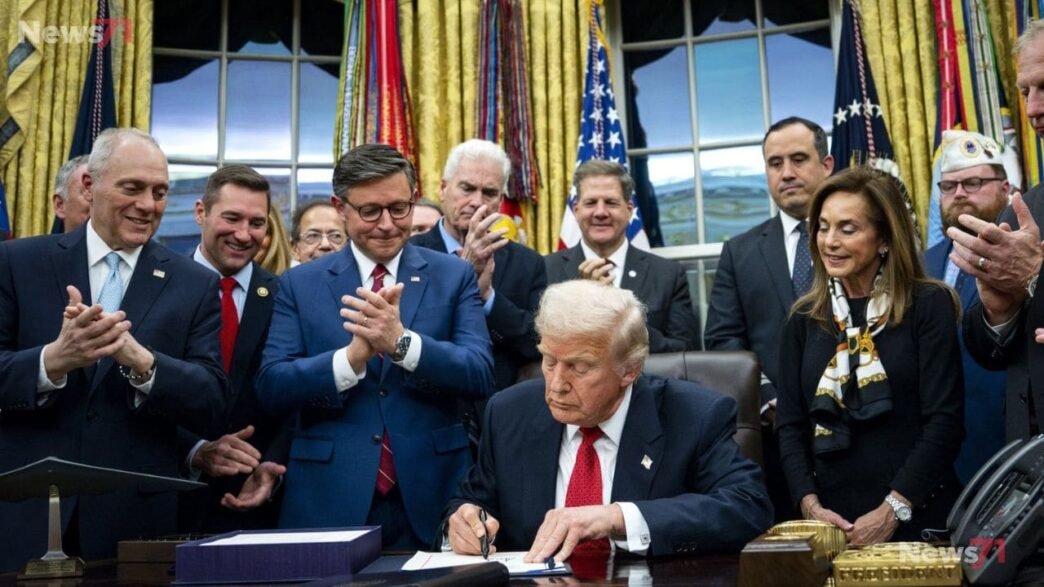
After 43 days, the longest government shutdown in US history is finally coming to an end. Federal employees will once again receive their paychecks, national parks are reopening, and essential public services that had been halted are resuming. Air travel disruptions are easing, and daily life for millions of Americans is slowly returning to normal. As President Donald Trump signs the funding bill to officially reopen the government, the question remains: what did this record-breaking shutdown achieve, and at what cost? Senate Democrats had triggered the government shutdown by using the filibuster to block a Republican proposal for temporary funding. Their demand was straightforward—they wanted a guarantee to extend health insurance subsidies for low-income Americans, which were due to expire at the end of the year.
Trump Celebrates as Democrats Face Fallout from Historic Government Shutdown
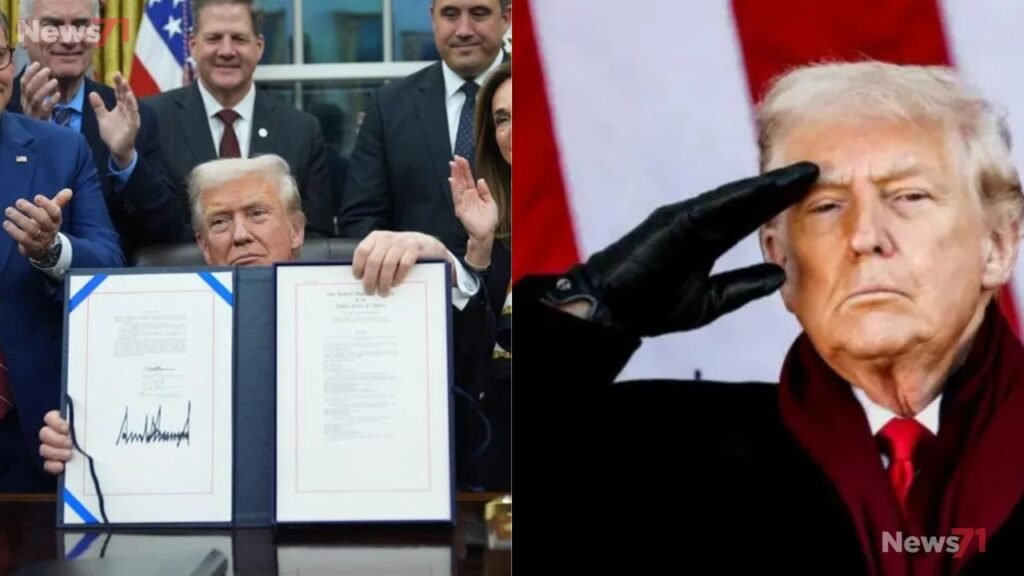
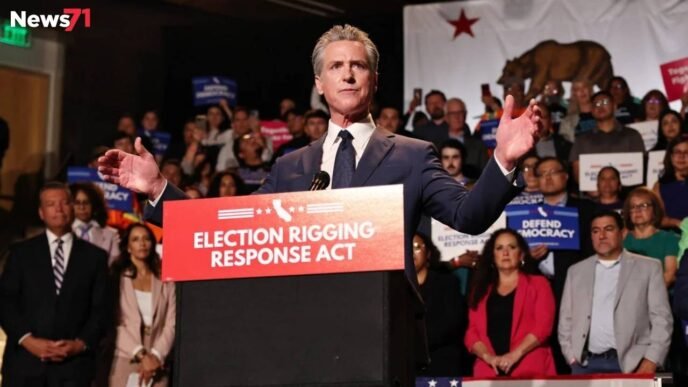
When several Democrats broke ranks to vote for reopening the government, they gained little in return except a promise for a future Senate vote on the subsidies. This left many within their party frustrated and divided. Members of the progressive wing accused Senate Democratic leader Chuck Schumer of either cooperating with Republicans or failing to lead effectively. They felt the party had surrendered despite recent electoral momentum suggesting public support was on their side. Even moderate Democrats expressed disappointment. California Governor Gavin Newsom described the deal as a surrender, criticizing party leaders for failing to adapt to Trump’s aggressive political style. Newsom, who is rumored to have 2028 presidential ambitions, was previously a strong supporter of President Joe Biden but has recently shown growing frustration with Democratic leadership. His comments reflected broader dissatisfaction across the party. For Trump, the mood has been far more celebratory. In the days following the Senate’s decision to end the government shutdown, he publicly praised congressional Republicans and called the vote a major victory. Speaking at a Veterans Day ceremony, he declared that the country should have never been closed in the first place.
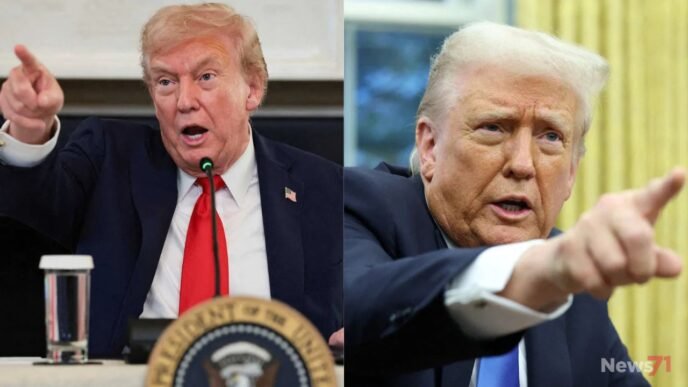
Trump also took the opportunity to attack Schumer, claiming during a television interview that the Republican Party had outmaneuvered the Democrats. Although Trump had moments of visible frustration during the standoff, he emerged without making significant concessions. His approval ratings slipped during the shutdown, but with more than a year until the next major election, Republicans are optimistic they can recover politically. With Congress back in session, lawmakers must now turn their attention to upcoming spending deadlines to prevent another government shutdown early next year. Democrats, meanwhile, are regrouping after internal divisions and public backlash. The issue at the heart of the standoff—healthcare subsidies—still looms large for millions of Americans who could face rising insurance costs. Failing to address that challenge could pose serious risks for both parties.As Washington moves forward, Trump’s celebration may prove short-lived. Political victories in the wake of a government shutdown are rarely permanent, and new controversies continue to emerge, threatening to overshadow any gains made during this turbulent period.
source:BBC