
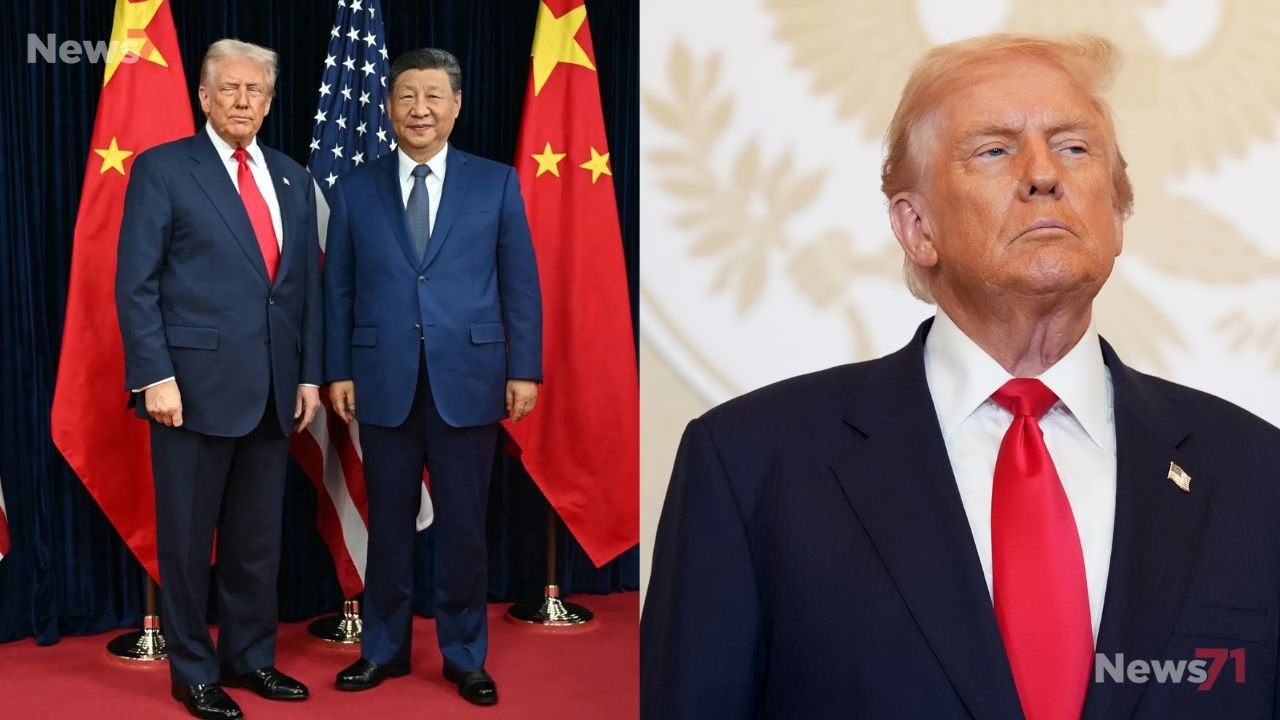
Trump and Xi Meeting, US President Donald Trump and Chinese leader Xi Jinping held a crucial meeting on Thursday, marking what could be a turning point in ongoing trade negotiations between the world’s two largest economies. After the talks, Trump described the meeting as a major success and said a trade agreement could be signed soon. Both nations have been at odds over tariffs, technology access, and control of critical resources like rare earth minerals and semiconductors. Trump announced plans to lower tariffs on Chinese goods and confirmed that US access to rare earth materials had been resolved. He also said China would engage directly with chipmaker Nvidia, while the US would act as a neutral referee. China’s official statement was far more restrained, saying only that both sides had reached a consensus on addressing key trade issues. Trump later added that they had agreed on several significant points, with details expected to be revealed in the coming days.
One topic that remained unresolved was the sale of TikTok’s US operations, which many analysts expected would be finalized during these talks. The meeting comes after nearly ten months of escalating trade tension, marked by retaliatory tariffs and uncertainty for global businesses. According to Professor Tim Harcourt from the University of Technology Sydney, this meeting could redefine globalization in the post-pandemic era. The US-China trade conflict began when Trump imposed broad tariffs on imports early in his term, targeting China for what he viewed as unfair trade practices. By early 2025, tariffs on Chinese goods had reached as high as 145%, with China responding in kind by imposing levies of up to 125%. The trade battle disrupted supply chains and created uncertainty for manufacturers across both countries. Despite the escalating conflict, both sides agreed to a temporary truce in May to continue negotiations. However, tensions resurfaced as the US sought to restrict China’s access to advanced technologies, particularly semiconductors essential for AI and high-tech manufacturing.
Trump and Xi Meeting Signals Possible Breakthrough in US-China Trade Tensions
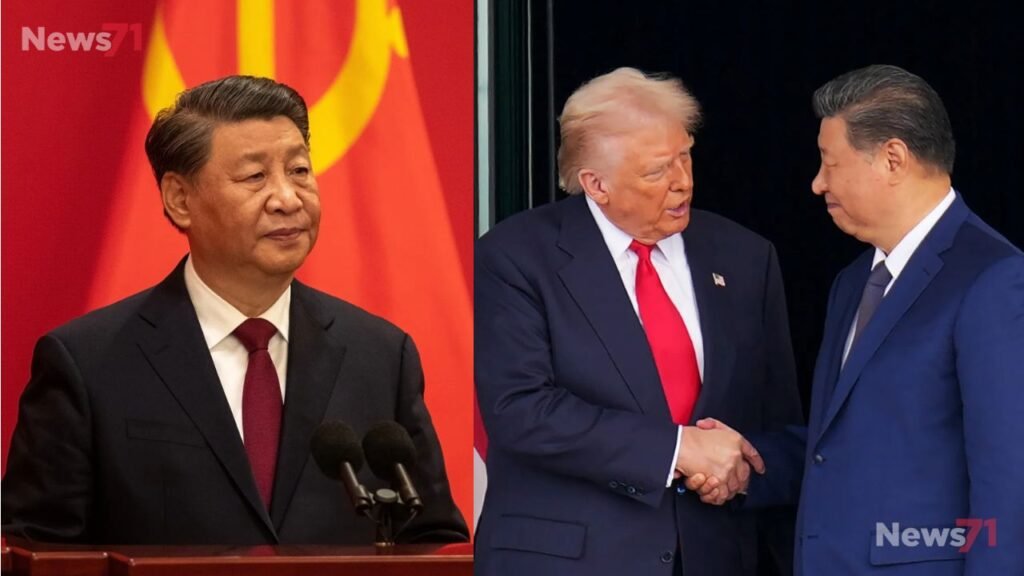
Semiconductors have become a central battleground between the US and China. Washington has imposed strict limits on China’s access to advanced chips, with companies like Nvidia caught in the middle. Although China remains a key market for these technologies, Beijing has been pushing to develop its own domestic semiconductor industry, encouraging companies like Huawei and Alibaba to innovate. At the same time, China has used its dominance in rare earth minerals to gain leverage. In October, Beijing tightened export controls, a move that shocked Washington and reminded the US of its reliance on Chinese materials. The US has since sought to diversify its supply by forming new partnerships with countries such as Australia, Malaysia, and Japan. Experts believe that while a lasting truce between Trump and Xi remains uncertain, both leaders recognize the need to stabilize relations. China faces economic challenges, including high unemployment and a struggling property market, while the US seeks to secure vital resources and maintain global competitiveness. Analysts suggest that even a limited agreement could ease trade tensions and provide short-term stability in global markets. Still, as Professor Stefanie Kam notes, the rivalry between Washington and Beijing is far from over each side continues to play a long-term strategic game for dominance in technology, trade, and global influence.
RELATED POST: Donald Trump and Xi Jinping Deal high stakes trade in South Korea
Source: BBC