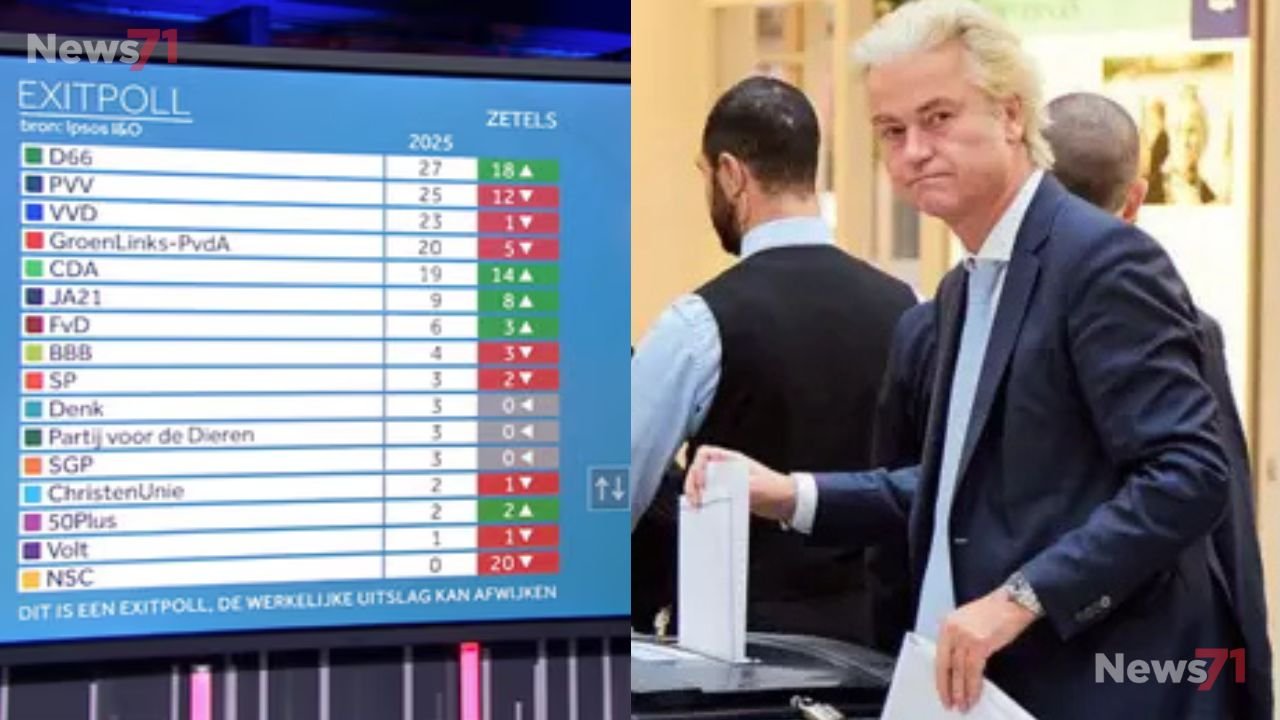

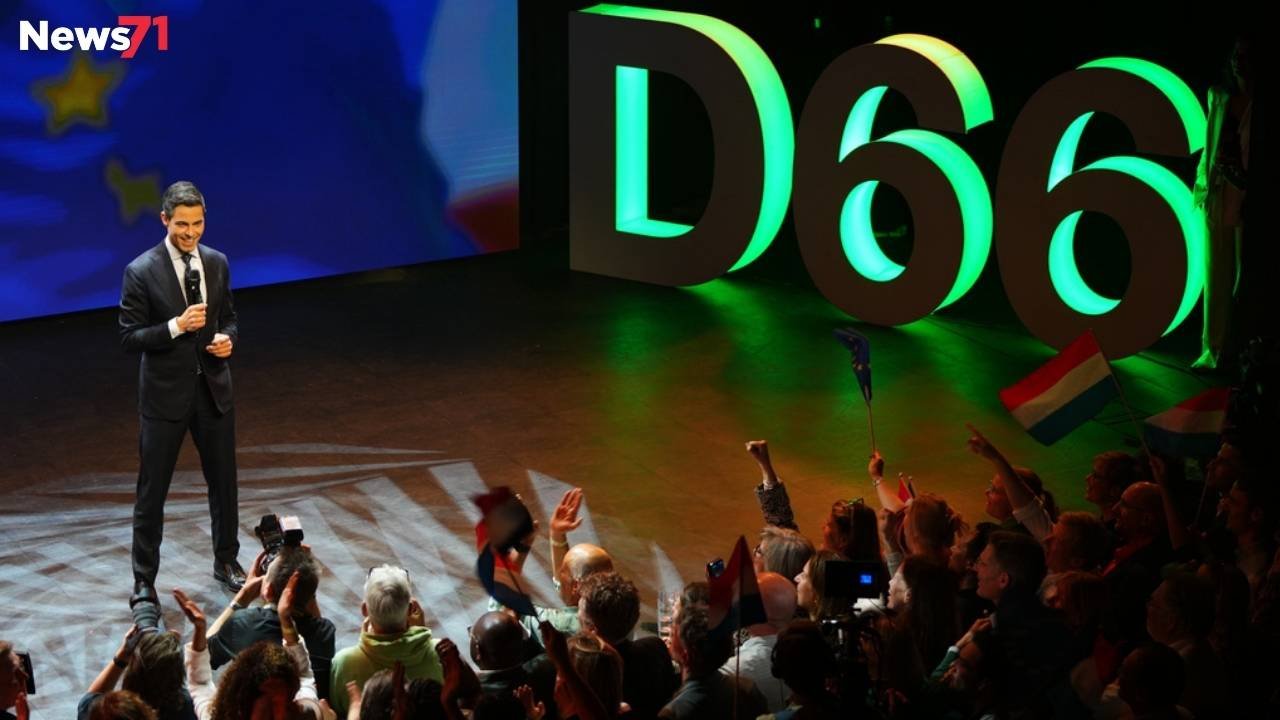
The centrist D66 party made significant gains in the Dutch elections, positioning itself as the likely frontrunner in government formation, while far-right leader Geert Wilders’ Freedom Party (PVV) lost ground.
With 90% of votes counted early Thursday, both D66 party and the PVV were projected to secure 26 seats each in the 150-seat lower house of parliament.
The results marked a sharp decline for Wilders compared to his record performance in 2023, while D66 nearly tripled its seats, achieving its largest gains ever.
Exit polls and early returns suggested a narrow victory for the progressive D66, with Wilders trailing. However, later counts showed a slightly stronger showing for the anti-immigration firebrand. Analysts noted that this early shift is unlikely to affect the next government coalition, as all major mainstream parties have ruled out partnering with Wilders following his decision to collapse the previous coalition led by the PVV.
D66 party
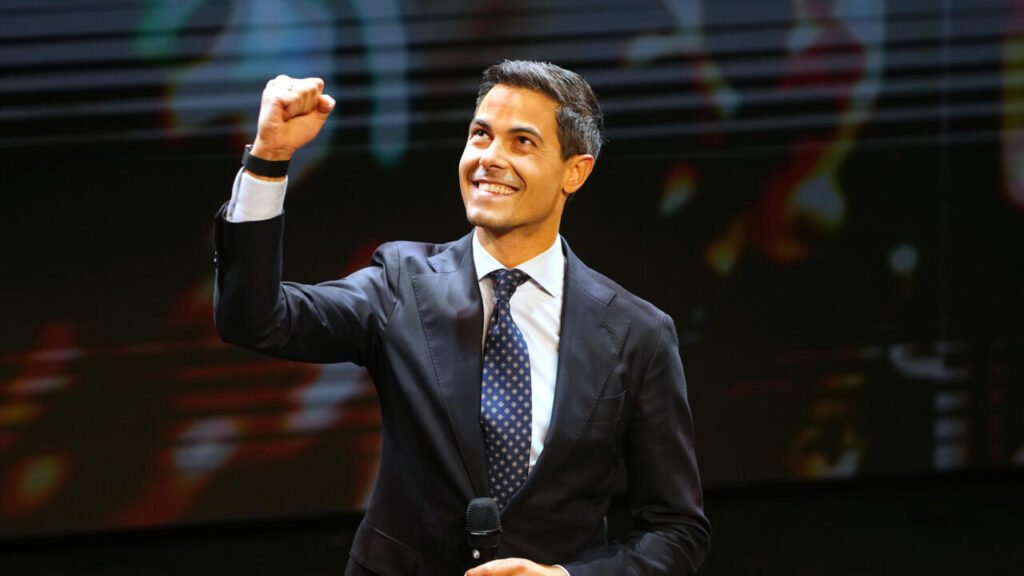
The outcome now paves the way for D66 leader Rob Jetten, 38, to potentially become the youngest prime minister in Dutch history.
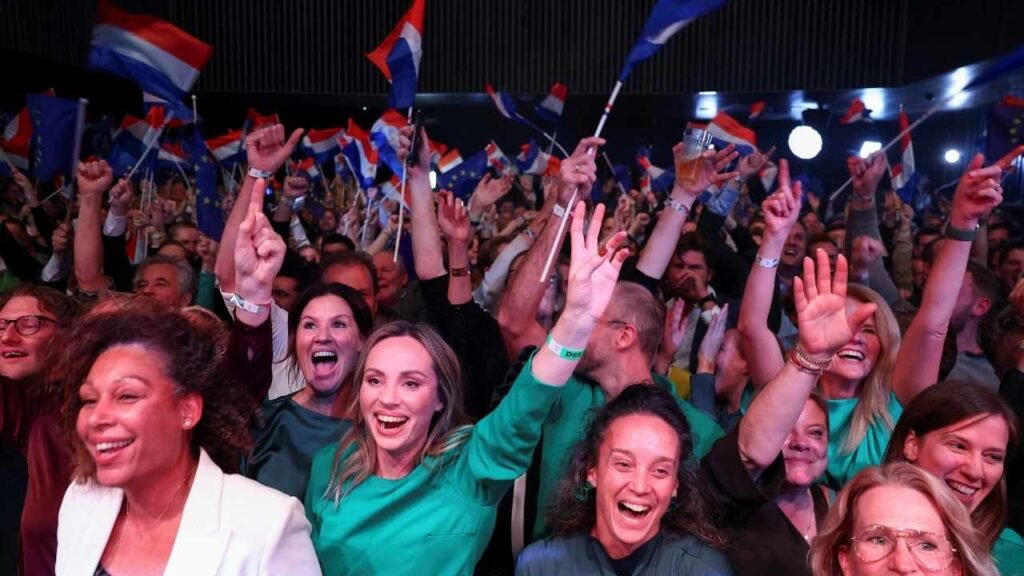
“We have today achieved D66 party best ever result,” Jetten told cheering supporters at the party gathering in Leiden. “Millions of Dutch people have turned a page. They have said goodbye to the politics of negativity, of hate, of ‘it can’t be done.’
“Let’s also turn the page on Wilders and work on a splendid future for our beautiful country. In the coming years, we will do everything we can to show all Dutch people that politics and government can serve them again,” he added.
The snap election was triggered in June when Wilders withdrew the PVV from the government less than a year after taking office, after coalition partners rejected his radical anti-refugee proposals, which were widely seen as unworkable or illegal.
Wilders conceded that his party was unlikely to join the next government but defended his decision to leave. “The voter has spoken. We had hoped for a different outcome but we stuck to our guns,” he said on social media.
D66 party made significant gains
The Netherlands’ proportional voting system means 0.67% of the vote secures one seat in parliament, a threshold met by 15 of the 27 parties contesting this election. The field included parties representing youth, seniors, animals, universal basic income, and sports.
This fragmentation ensures no single D66 party ever wins a majority. Dutch governments have relied on coalitions often of four parties for more than a century, and the next government is expected to follow the same pattern. (source)
“When it comes to forming a new government in the Netherlands, election results are not the end, they’re the start,” said Rem Korteweg of the Clingendael Institute in The Hague. “The cards have been shuffled. Now the negotiations can begin.”
The centre-left GreenLeft/Labour alliance (GL/PvdA) suffered a disappointing night, finishing third with 20 seats, five fewer than in the previous parliament and below poll predictions. Party leader Frans Timmermans announced he would step down following the results.