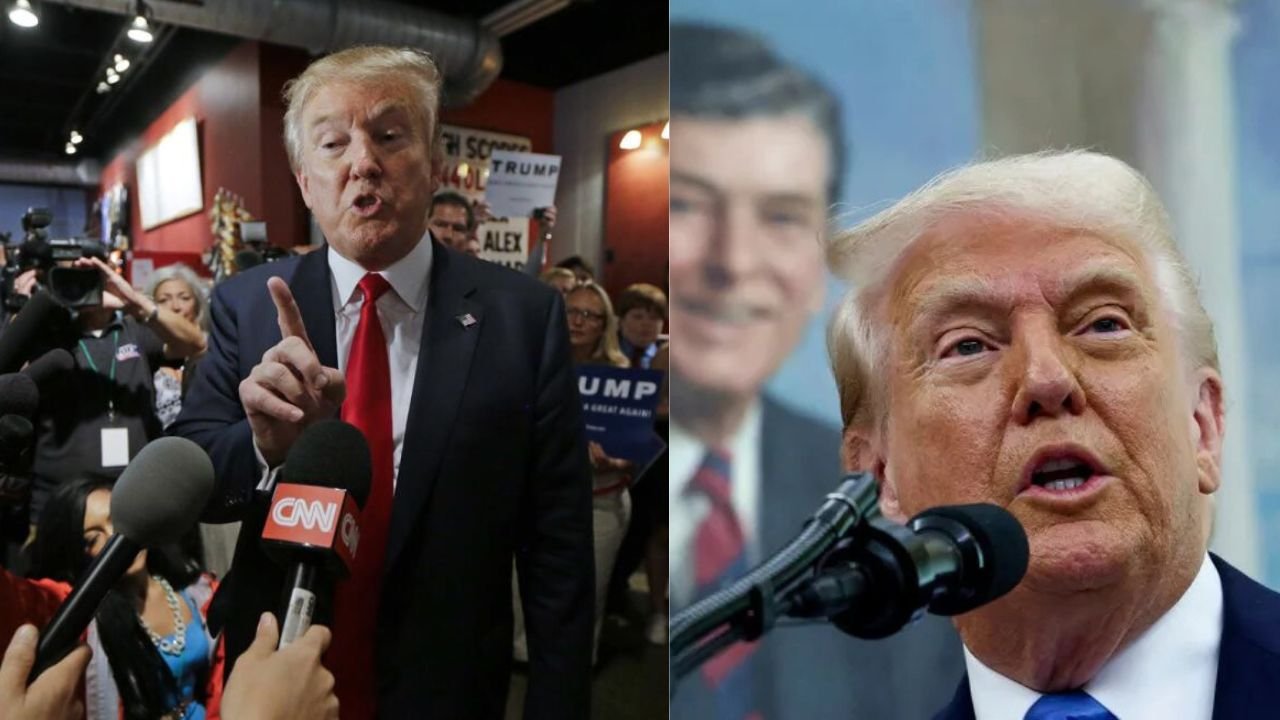

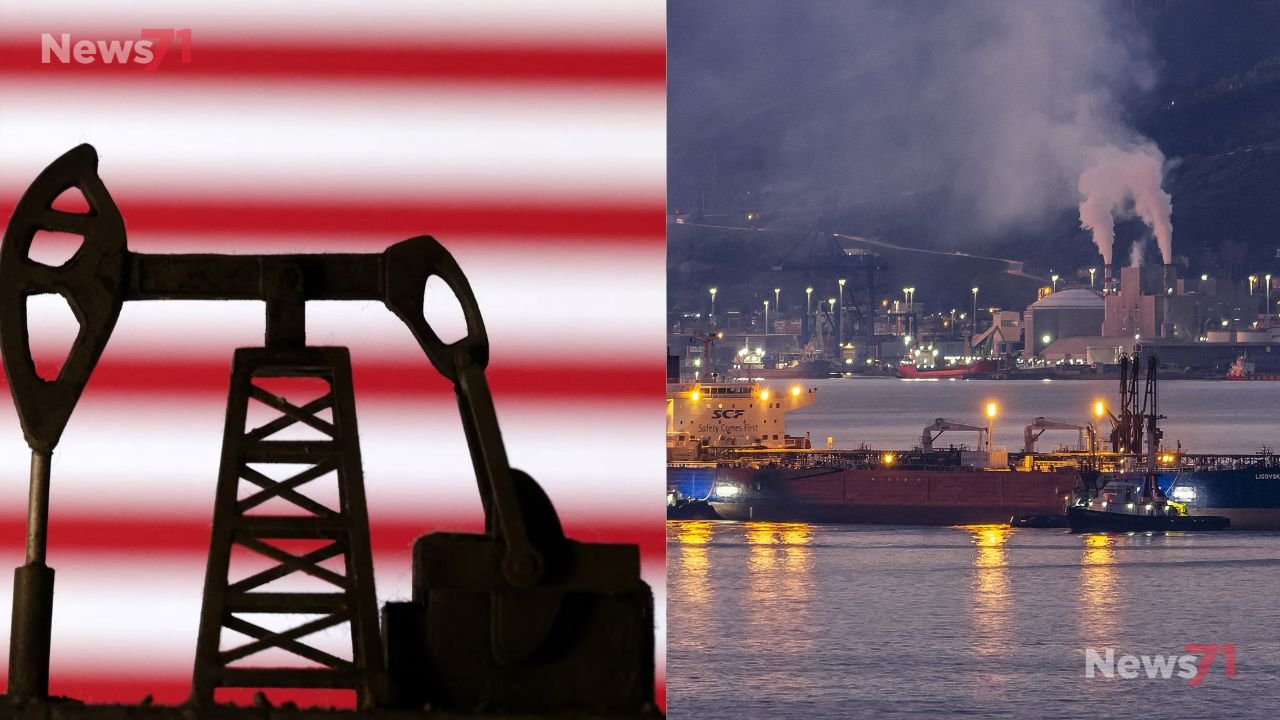
U.S. President Donald Trump has imposed sweeping U.S. Sanctions on Russia’s two largest oil companies, Rosneft and Lukoil, in a sharp reversal of his earlier approach to Moscow’s war in Ukraine. The move instantly sent global oil prices up by nearly five percent on Thursday and prompted India to consider reducing its dependence on Russian crude imports. The sanctions target two companies responsible for more than five percent of global oil production, signaling a major shift in Washington’s strategy. Just a week ago, Trump had planned to meet Russian President Vladimir Putin in Budapest to discuss possible steps toward ending the conflict in Ukraine. Although the immediate financial impact on Russia may be limited, the sanctions make it clear that Washington intends to squeeze the Kremlin’s revenues and push for serious negotiations toward peace. Chinese state oil companies have already paused Russian crude purchases, while Indian refiners—the largest buyers of seaborne Russian oil—are preparing to cut imports sharply. A decline in demand from Russia’s biggest customers could put pressure on Moscow’s oil revenues and drive up global prices as importers scramble for alternative supplies.
U.S. Sanctions on Russian Oil Giants Shake Global Markets
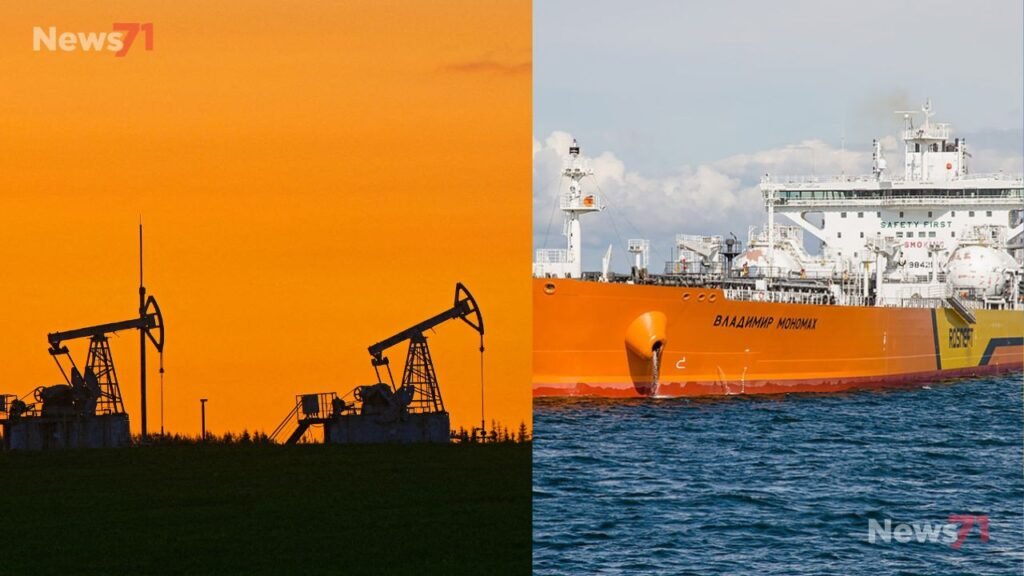
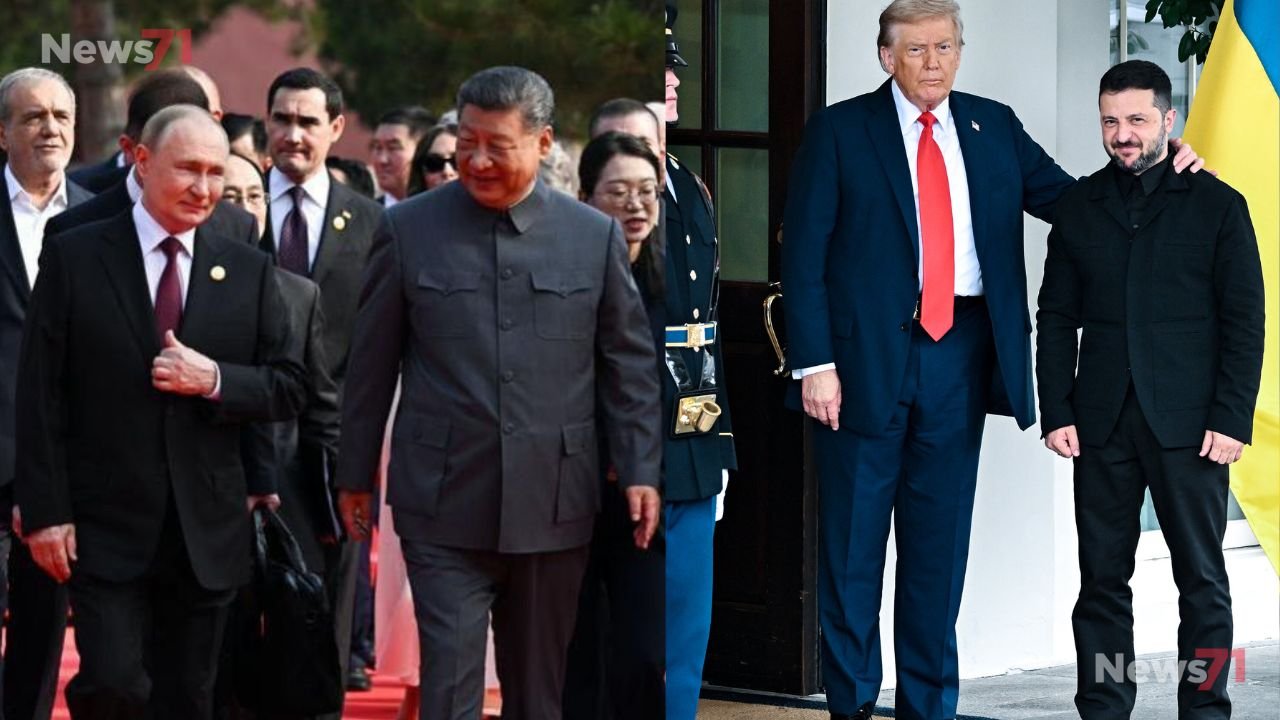
Trump told reporters at the White House that his planned meeting with Putin was canceled because it did not appear likely to produce the results he wanted. Russia, in turn, dismissed the U.S. Sanctions as counterproductive and reiterated that its conditions for ending the war remain unchanged.Meanwhile, European Union leaders and Ukrainian President Volodymyr Zelenskiy met in Brussels to discuss financial support for Kyiv, including a proposal to use frozen Russian assets to provide a 140-billion-euro loan. The EU also approved a nineteenth package of penalties, including a ban on Russian liquefied natural gas imports. The European bloc has cut its reliance on Russian energy by about 90 percent since 2022 but still imported over 11 billion euros worth of Russian fuel in the first eight months of this year. It also added three Chinese companies to its sanctions list for buying large amounts of Russian crude, prompting Beijing to threaten retaliation.
RELATED POST: Rubio Warns Israel After Parliament Advances Controversial West Bank Plan
U.S. Treasury Secretary Scott Bessent said the new U.S. Sanctions aim to weaken Moscow’s ability to fund its military operations. Oil and gas revenues, which make up about a quarter of Russia’s budget, have already fallen 21 percent year-on-year. However, because most of Moscow’s revenue comes from production taxes rather than exports, the immediate effect may be softened. Russian Foreign Ministry spokesperson Maria Zakharova dismissed the measures, saying the country had built resilience against Western restrictions. Zelenskiy welcomed the sanctions as a vital step but urged even stronger international pressure to bring Russia to a ceasefire. Oil prices rose around five percent on Thursday amid fears of global supply disruption. Analysts warned that Moscow may be forced to offer deeper discounts to maintain exports, though higher prices could offset some of the losses. Trump’s sudden policy reversal highlights the mounting strain between Washington and Moscow as the war in Ukraine enters another uncertain phase.