
The EU Moves to Freeze Russian Sovereign Assets held within the bloc, as Moscow intensified threats of retaliation against Euroclear, the Brussels-based financial institution that holds most of the immobilised funds.
The move, made using emergency powers, locks down about €210bn (£185bn) of assets belonging to Russia’s central bank and marks a major step towards potentially using the money to support Ukraine’s defence.
European Council president António Costa confirmed on Friday that EU leaders had honoured a pledge made in October to keep Russian assets frozen until Moscow ends its war against Ukraine and pays compensation for the damage caused.
Previously, the sanctions underpinning the freeze had to be renewed every six months, leaving open the risk that a Kremlin-friendly government – such as Hungary – could block their extension. The decision came just hours after Russia’s central bank announced it was suing Euroclear in a Moscow court, accusing the institution’s “illegal actions” of harming its ability to manage funds and securities. Euroclear, which has become a focal point of the dispute despite having no control over how the assets are used, declined to comment but said it is already contesting more than 100 legal cases in Russia.
EU Moves to Freeze Russian Sovereign Assets
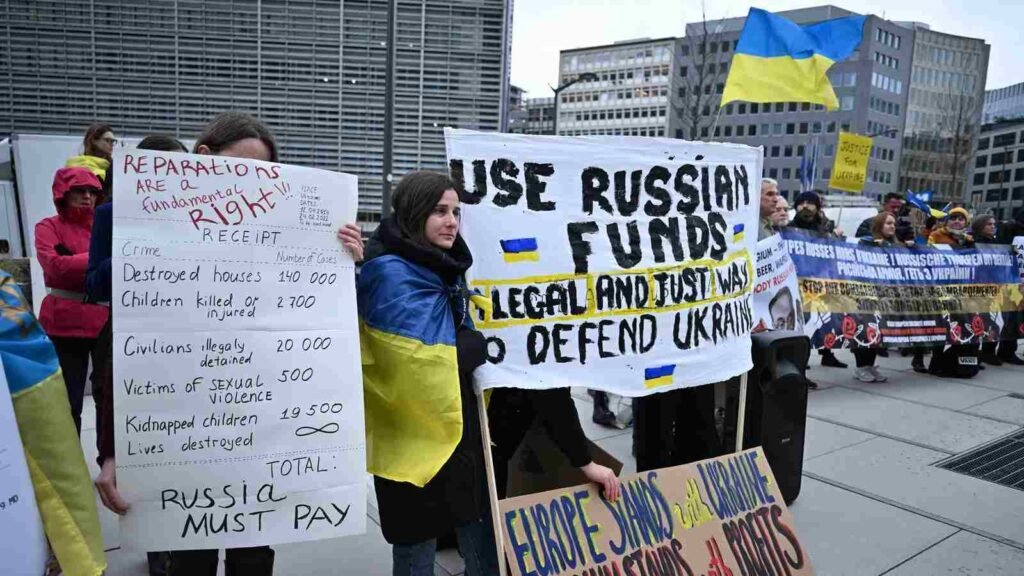
Last week, the European Commission proposed a €90bn (£79bn) loan for Ukraine, backed by the frozen Russian assets. Belgium, however, has blocked the plan, citing fears of legal action from Moscow and potential seizures of Belgian assets in Russia.
Belgian prime minister Bart De Wever raised the issue on Friday during talks with UK prime minister Keir Starmer in London, where the two leaders discussed EU-UK relations, migration and the Russian assets. Both sides said they agreed to keep working closely on the complex question, stressing the need to maintain economic pressure on Russia and strengthen Ukraine’s position to achieve a lasting peace.
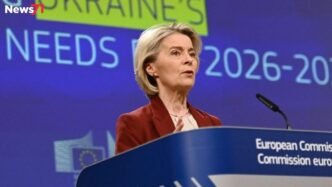
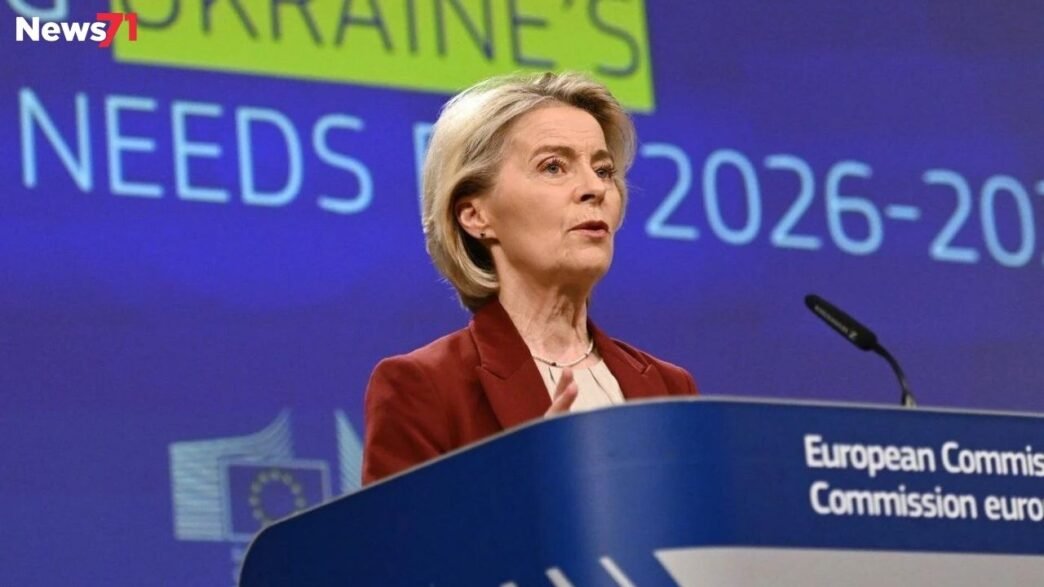
The discussions come ahead of an EU summit next week, where leaders are expected to decide on funding for Ukraine in 2026–27. Officials warn that without new support, Kyiv could run out of money next spring to finance its defence and pay public-sector workers.
EU officials believe the proposed loan would cover about two-thirds of Ukraine’s financial needs over the next two years, with the remainder to come from other international partners. Belgium has said it needs firm guarantees from fellow EU states that it would not face a multibillion-euro bill if Russia pursues legal claims.
De Wever has previously criticised the plan as legally unsound and a threat to the euro’s stability. Reflecting unease among some member states, Belgium, Bulgaria, Malta and Italy have argued that decisions on the use of frozen assets should be taken by EU leaders alone. While backing the indefinite freeze, they urged further discussion of alternative options consistent with EU and international law.
Source: theguardian.com
Belgium favours borrowing on capital markets to support Ukraine, secured against unused capacity in the EU budget, but many countries are reluctant to take on more shared debt. Germany, usually fiscally cautious, supports the frozen-assets approach and has pledged to provide €50bn – a quarter of the required guarantees – to reassure Belgium.
EU officials insist the legal risks to Euroclear, and by extension Belgium, would be limited. Under the proposed arrangement, the EU would borrow funds from Euroclear and lend them to Ukraine, while Russia would technically remain the legal owner of the assets. Ukraine would only repay the loan if it later received reparations from Moscow.
The UK, which holds about €27bn (£23bn) in frozen Russian assets, backs the proposal and expects several G7 countries to follow suit, though US participation remains uncertain. The United States holds only about €4bn (£3.5bn) in immobilised Russian assets.