

EU Debates Using Frozen Russian Assets as Pressure Mounts Over Ukraine’s Future. European Union leaders are locked in a crucial debate over whether to use frozen Russian assets to support Ukraine, a decision starkly described as choosing between “money today or blood tomorrow.” Around €210 billion in Russian funds held in Europe could be redirected to finance Ukraine’s defence and reconstruction, helping Kyiv sustain its war effort.
Supporters argue swift action is vital to prevent greater bloodshed and strengthen European security, while critics warn of legal risks, financial consequences and possible Russian retaliation. The debate highlights the EU’s struggle to balance urgency, unity and long-term geopolitical responsibility.
EU Debates Using Frozen Russian Assets as Pressure Mounts Over Ukraine
1. What decision EU leaders are facing
At a high-stakes European Council summit in Brussels (Dec 18, 2025), EU leaders are debating a controversial proposal to use frozen Russian central bank assets around €210 billion to support Ukraine’s defence and reconstruction through a major financing package for 2026–2027.
This idea is often framed as a “reparations loan”: the EU would back a large loan for Ukraine using those immobilised Russian funds as security, with the notion that Ukraine would only repay it if and when Russia is forced to pay war reparations.
2. The stark choice described
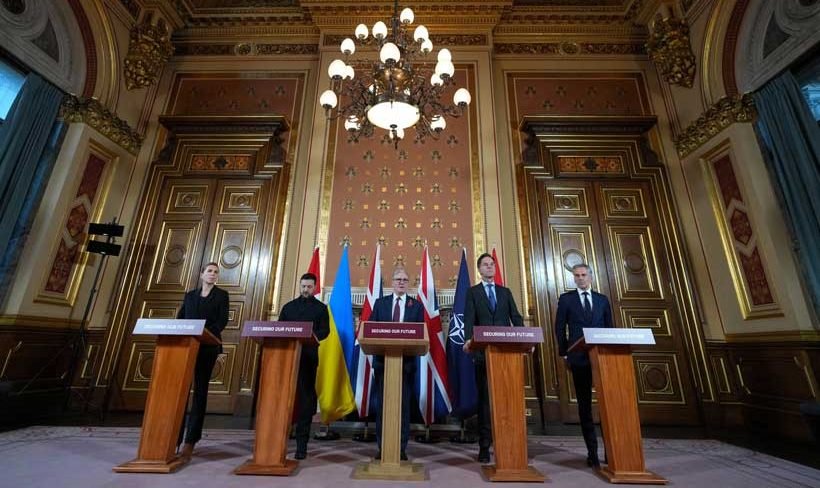
Poland’s Donald Tusk framed the situation starkly in Brussels: “money today, or blood tomorrow” meaning that failing to fund Ukraine now could weaken Kyiv’s ability to defend itself, potentially prolonging Russia’s offensive and increasing risks for broader European security.
Ukraine officials have echoed this urgency, warning that a failure to decide could be “a catastrophe for every single European” if Kyiv runs short of funds.
3. Why the proposal is controversial
Supporters including leaders from Ireland and Germany argue that using these assets is both symbolically and practically important to sustain Ukraine’s war effort and deter further Russian aggression.
Opposition and concerns include:
- Hungary’s Viktor Orbán calls the idea “stupid” and equates it to marching into war, underscoring fears that Russia could treat the move as a major escalation.
- Belgium (where most of the assets are held via Euroclear) has legal and financial concerns, demanding strong guarantees against future litigation or liabilities.
- Other governments (e.g., Italy, Bulgaria, Slovakia) want either legal safeguards or alternative funding methods, worrying about precedent, EU unity, or the risk of retaliatory action.
4. Russian reactions & broader geopolitical backdrop
- Russia calls the planned use of its assets illegal and has initiated lawsuits against Euroclear, framing any EU use of the funds as theft.
- Russia has also threatened retaliation against Western companies and assets, raising fears across EU capitals about economic and political blowback.
5. Internal EU dynamics
- The plan could technically proceed without unanimity (using “qualified majority voting”), meaning a few dissenting states cannot block it outright.
- An alternative “Plan B” joint EU borrowing on markets to raise funds without relying on Russian assets is possible but requires full consensus, which is harder to achieve given distrust and differing priorities.
6. Public and political opinion
Polls show broad support in many European countries (e.g., Poland, Germany, Spain) for using frozen Russian funds to help Ukraine, though some nations (notably Italy) are more divided.
Bottom line: EU leaders are in the midst of a high-pressure debate over whether to channel frozen Russian assets into a large support package for Ukraine’s near-term needs. The choice is being framed in stark terms act now with substantial financing or risk leaving Ukraine underfunded and European security more exposed while legal, political, and diplomatic divisions persist inside the bloc. (The Guardian)