


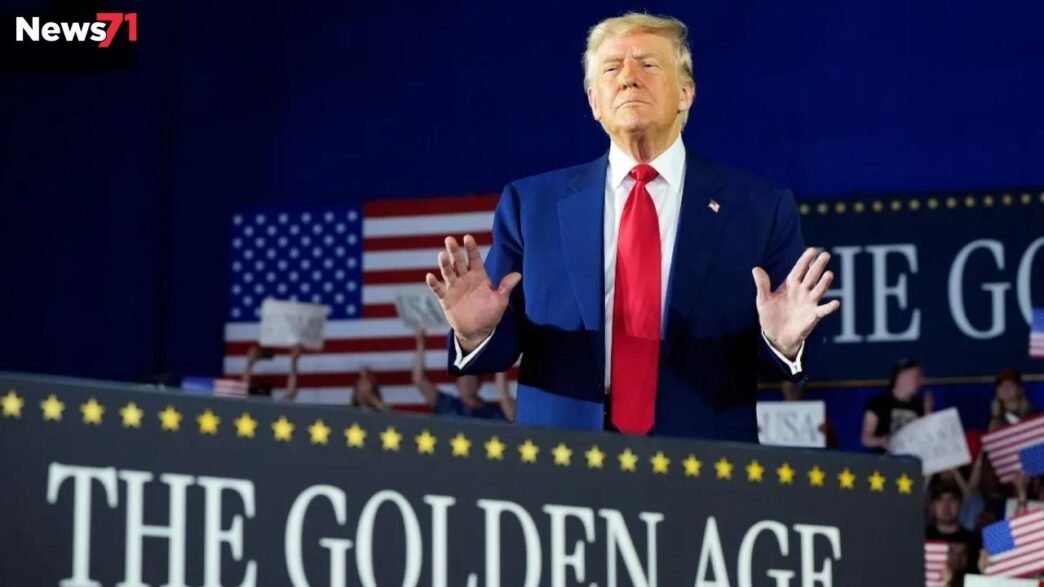
Donald Trump vowed to usher in a new “golden age” for the US economy but where is it now? Moments into his second term, Donald Trump struck a triumphant note in his inaugural address, declaring: “The golden age of America begins right now.”
Yet a little over 10 months later, that certainty appeared to soften. Speaking at a White House reception last weekend, the president suggested the promised era of prosperity was still on the horizon. “I say it’s the golden age of America,” Trump told the crowd. “We have an age that’s coming up, the likes of which this country has never seen… You’re going to see results in six months to a year.”
So far in 2025, the US economy has struggled to match the president’s early optimism. The immediate arrival of a “golden age” failed to materialize after Trump returned to office in January, and progress has been muted in two areas he pledged to fix quickly: jobs and prices.
The labor market began the year in relatively stable shape. Although hiring had slowed, employers added an average of 168,000 jobs a month in 2024. In March, however, Trump told a joint session of Congress that he had inherited an “economic catastrophe” from Joe Biden and promised job creation “like we have never seen before.”
Instead, jobs growth has cooled sharply. Official data show the economy added an average of just 55,000 jobs per month during the first 11 months of 2025 a 67% drop from last year. Unemployment, which hovered between 3.9% and 4.2% in Biden’s final year, has climbed to 4.6%, its highest level in more than four years, as of November.
Trump also campaigned on ushering in a “new American industrialism,” pledging to restore the US as a manufacturing powerhouse. But factory employment has barely budged. Manufacturing jobs increased in only two of the 10 months following his return to the White House.
Donald Trump vowed to usher in a new “golden age” for the US economy
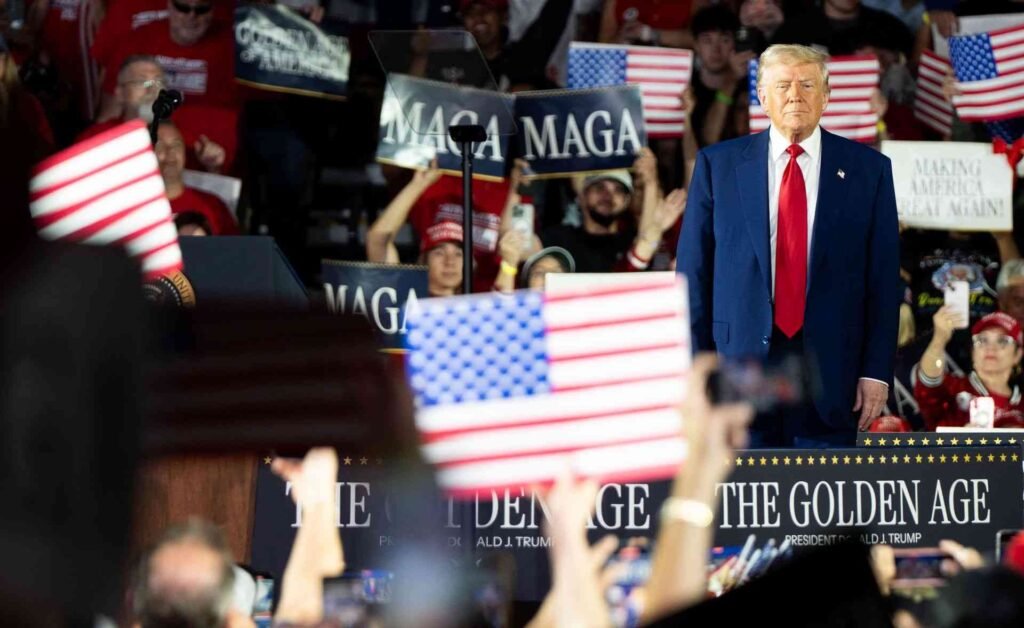
The administration argues that reviving US industry depends on expanding Trump’s signature economic weapon: tariffs. The president has dramatically raised import duties, pushing the average effective US tariff rate from 2.4% to 16.8%—the highest since 1935, according to Yale’s Budget Lab.
The rollout has been uneven, marked by shifting deadlines, delays and reversals. Trump’s chief of staff, Susie Wiles, admitted to Vanity Fair that the process had been “more painful than I expected.”
Economists have long warned that the costs could land on American consumers, as businesses pass higher import taxes on through higher prices. Federal Reserve officials continue to debate whether the tariffs will cause a one-off bump in inflation or entrench longer-term price pressures.
After inflation surged to generational highs in 2022 amid pandemic disruptions, price growth eased last year and continued falling into early 2025. Trump, however, has insisted he inherited an “inflation nightmare” and has vowed to end it. In a primetime address this week, he said: “I am bringing those high prices down and bringing them down very fast.”
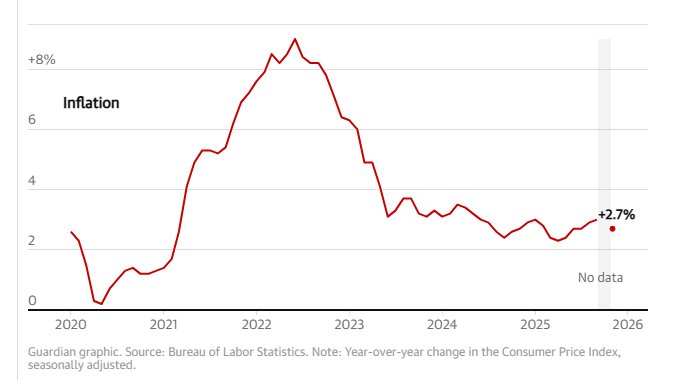
The data tell a more cautious story. Inflation has remained stubborn since the spring, with the consumer price index rising 2.7% year on year in November. Trump has brushed off criticism, calling concerns over prices a “con job,” and awarded himself an “A-plus-plus-plus-plus-plus” when asked to grade his economic performance.
In the same address, he claimed success in lowering grocery costs, citing cheaper turkey and eggs. “Everything else is falling rapidly,” he said. “Nobody can believe what’s going on.”
Still, there are signs the White House is easing its approach. Last month, Trump reduced tariffs on several imports, including beef, tomatoes, coffee and bananas. The administration has also announced $12bn in aid for farmers and floated the idea of tariff-funded stimulus checks.
As Trump launched a nationwide tour to promote what he calls a “remarkable turnaround,” he appeared at a rally in Mount Pocono, Pennsylvania, beneath a towering slogan: “LOWER PRICES BIGGER PAYCHECKS.”