


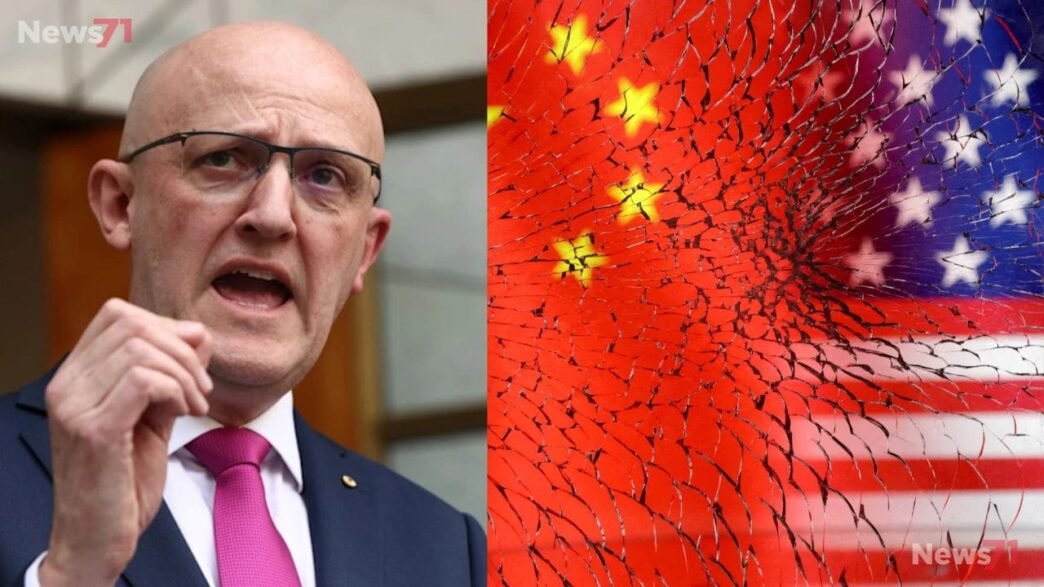
Australia’s top intelligence official has issued a stark warning about a rising cyber threat linked to China, cautioning that the country faces an increasing risk of high-impact sabotage targeting its most vital systems. Mike Burgess, the head of the Australian Security Intelligence Organisation (Asio), said that hackers connected to the Chinese government and military have been intensifying their efforts to infiltrate key infrastructure across Australia. He described the current wave of espionage as reaching unprecedented levels, adding that the threat of cyber-enabled sabotage is expected to grow even more serious over the next five years. Burgess told an audience of business leaders in Melbourne that one specific nation state was behind repeated attempts to scan and breach Australia’s critical networks. He said the targets included essential sectors such as telecommunications, energy, transport, and water systems. While he did not name the country directly, his remarks clearly referred to China, which has been accused globally of state-backed hacking campaigns.
Spy Chief Warns of Growing Chinese Cyber Sabotage Threat in Australia
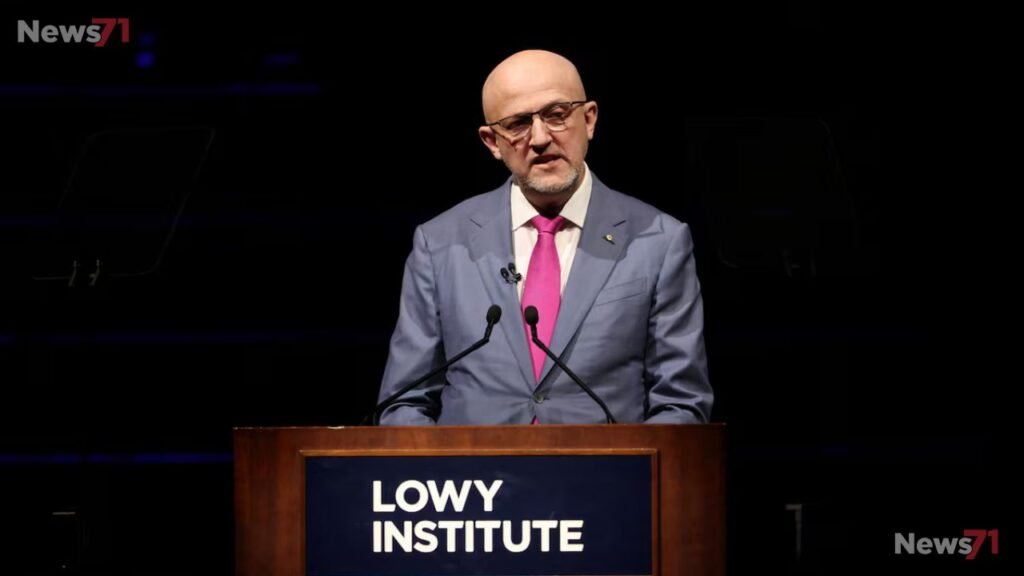
According to Burgess, two prominent hacking groups—Salt Typhoon and Volt Typhoon—are responsible for many of these attacks. Both groups have previously been linked to Chinese intelligence and military operations and have targeted telecommunications companies in both the United States and Australia. Burgess explained that Salt Typhoon primarily focuses on espionage activities, infiltrating communication networks to steal sensitive information. Volt Typhoon, on the other hand, operates with a more aggressive intent, seeking to disrupt and damage infrastructure, potentially preparing for future acts of sabotage. He warned that authoritarian regimes are becoming increasingly willing to use cyber sabotage as a tool of disruption and control. Such operations, he said, could cripple national infrastructure, disrupt the economy, hinder decision-making during crises, and erode public confidence in government institutions. To illustrate the potential scale of the threat, Burgess pointed to recent telecommunications outages in Australia that caused widespread inconvenience despite having no link to foreign interference.
He urged the public to imagine the consequences if a hostile nation deliberately disabled major networks, cut power during extreme heat, polluted water supplies, or disrupted the financial system. Burgess emphasized that the danger extends beyond traditional espionage. Spies are now expanding their reach into the private sector, targeting commercial negotiations, infrastructure projects, and corporate data. He revealed that cyber-espionage activities have cost Australia an estimated 12.5 billion Australian dollars in the past year alone, with around 2 billion dollars in trade secrets and intellectual property stolen from local businesses. He described the hackers as highly skilled professionals capable of locating network vulnerabilities, testing system defences, and maintaining covert access for long periods without detection. Their goal, he said, is to remain hidden until the moment they choose to strike, allowing them to conduct sabotage at a time that would inflict maximum damage. Burgess concluded by calling for greater national awareness and stronger cybersecurity measures, warning that Australia cannot afford to underestimate the scale or sophistication of the threats it faces.
source:BBC