
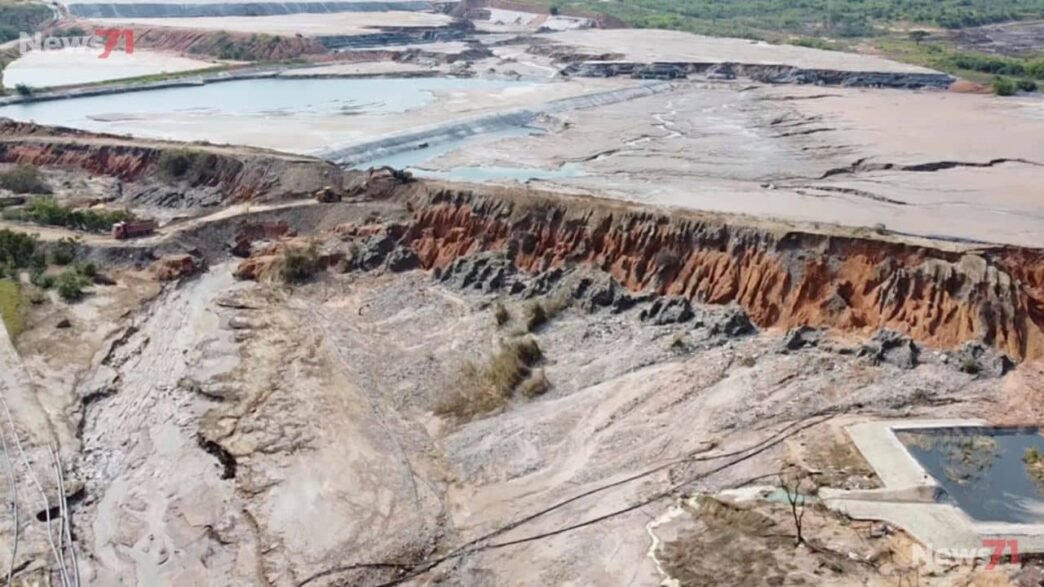
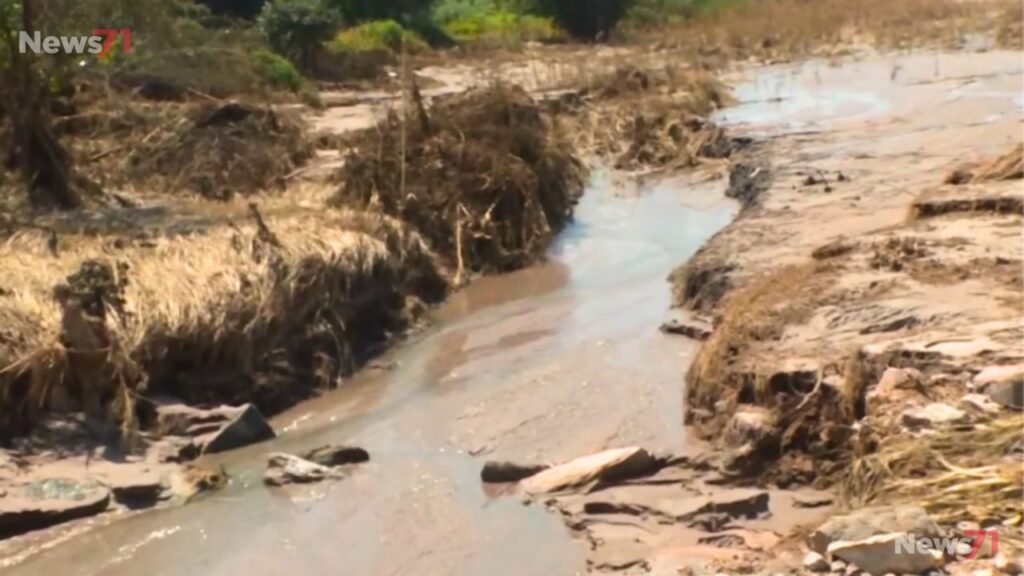
Africa,The disaster at a copper mine in northern Zambia has become a defining moment in the debate over how Africa holds powerful foreign investors accountable, especially in the context of the Africa toxic spill China controversy. Months before the dam failure, a miner we are calling Lamec already felt unsafe at his workplace. He explains that protective equipment was often not replaced when worn out, forcing workers to use damaged gear. Speaking privately in a quiet backroad near his village, he says he fears losing his job if he talks publicly. One day in February, Lamec arrived at work to find that a dam at the Chinese owned site had failed. The structure, known as a tailings dam, is used to store toxic waste from copper processing, including heavy metals such as lead, arsenic and mercury. The collapse sent acidic waste into a tributary connected to the Kafue River, one of the most important water sources in Zambia. Government estimates put the spill at more than fifty thousand tonnes, though some environmental experts say the amount may have reached more than one million tonnes. The spill devastated fish populations around Chambishi and Kitwe, contaminated farmland and left water unfit for drinking, according to local farmers. Experts warn that with the rainy season now under way, contaminated soil could release further pollution into waterways. Some metals found in the sludge can cause kidney problems, cancers and intestinal illness. Dr Mweene Himwiinga from Copperbelt University says the toxic waste could travel downstream all the way to Lusaka.
Deadly Africa Toxic Spill Becomes Key Test for China Relations
The Chinese embassy disputes the scale of the disaster and says an independent investigation is welcome. According to the embassy, government reports show the pollution was limited and acidity levels have normalised. The mine is operated by Sino Metals Leach Zambia, a company linked to a major state owned Chinese corporation. Chinese officials say firms like this have created more than two thousand jobs as part of wider Chinese investment in Zambia. China remains one of the biggest investors in African minerals, and Zambia alone received an estimated one point seven billion dollars of Chinese investment last year. Yet critics argue that the dam failure highlights concerns often raised about China’s role in Africa. Some accuse Beijing of practicing economic pressure tactics by issuing loans that leave African countries heavily indebted. Others say Chinese mining operations sometimes overlook environmental safeguards and fail to properly train local workers. In September, one hundred seventy six farmers filed a lawsuit worth eighty billion dollars against Sino Metals and another company linked to the site. The legal action accuses the firms of engineering faults and operational failures that led to the collapse. Many observers see the case as a crucial test of how African nations can push back against powerful foreign actors when disaster strikes.
Zambian officials deny they are being gentle with China despite the country owing about five billion dollars to Beijing. Dr Douty Chibamba from the Ministry of Green Economy insists the government is taking firm action. Meanwhile, locals say some compensation has been paid, though the amounts vary widely. Analysts note that Zambia’s growing ties with the United States may strengthen its bargaining power. As global demand for copper and cobalt increases, Zambia finds itself courted by multiple major powers. According to Professor Stephen Chan, this moment signals a shift where African countries are becoming more assertive and strategic in the international arena. The Chinese embassy rejects accusations of neocolonial behavior and insists that China brings capital, training and development to Zambia. It argues that the partnership benefits both sides and should not be judged through isolated incidents.
source:BBC