
Slovakia Chalk Revolution: How One Teenager’s Protest Sparked a Nationwide Movement. The teenager who first wrote chalk slogans on a pavement to protest Slovakia’s rightwing government never imagined others would follow his lead.
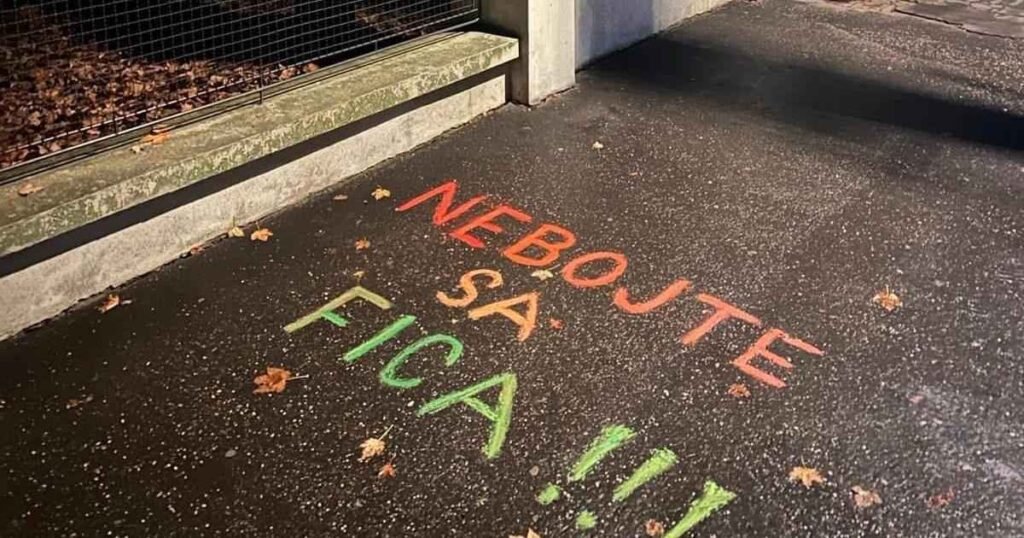
The brief messages appeared near a secondary school in eastern Slovakia, scrawled in chalk just hours before Prime Minister Robert Fico was due to speak there. One read “Enough Fico,” echoing a well-known anti-government slogan, while another mocked the prime minister’s perceived closeness to Russian president Vladimir Putin.
The timing struck a nerve. Similar messages quickly spread across pavements nationwide, in what some dubbed the “Chalk Revolution” or the “November Chalk Wave.”
For the 19-year-old behind the first slogans, Michal – known by his nickname Muro – the response was unexpected. “I really didn’t think it would grow this big,” he said. “It turns out I’m not alone in how I feel.”
Slovakia Chalk Revolution
When Muro learned that Fico would be visiting his school in the north-eastern city of Poprad to deliver a lecture on foreign policy, he felt compelled to act. A critic of Fico’s fourth-term government, Muro objected to what he saw as the prime minister’s pro-Russian stance, tolerance of corruption, rising living costs, and neglect of education and healthcare – factors he believes are driving young people out of the country.
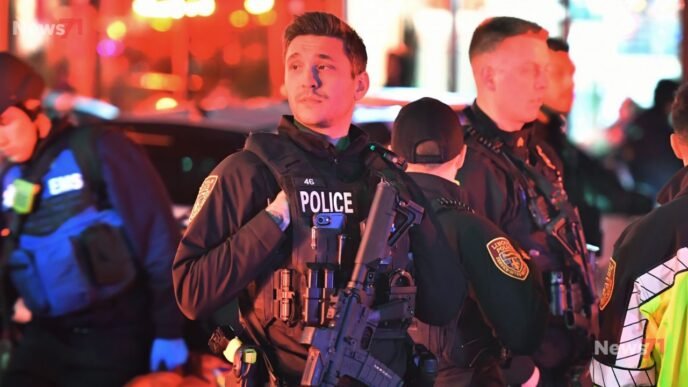
Using chalk felt harmless, a simple way to vent frustration. Yet the reaction was swift. Fico postponed his visit, and police arrived at the school to question Muro. He was released without charge, but by then the protest had taken on a life of its own.
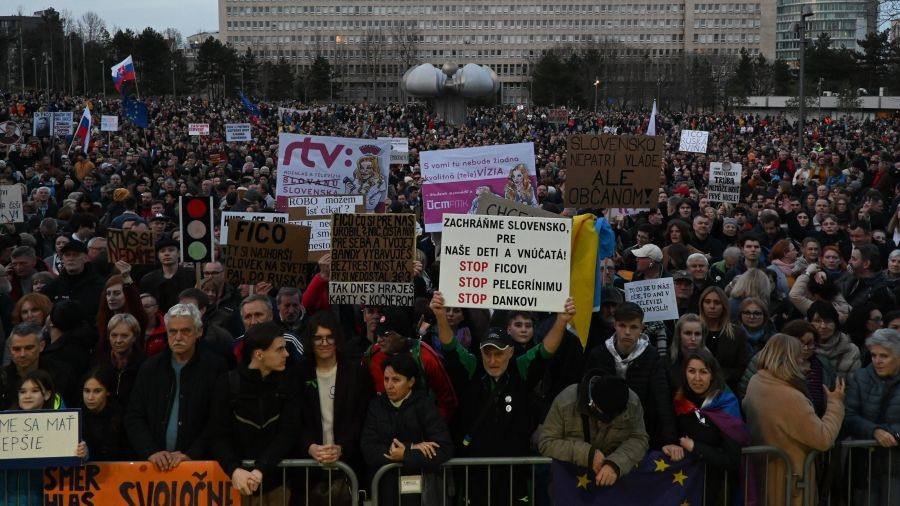
Images of chalk messages flooded social media, inspiring students and citizens across Slovakia to do the same. Pavements near schools, town squares, and even parliament became canvases for criticism of a government accused of eroding human rights, weakening the rule of law, and politicising culture.
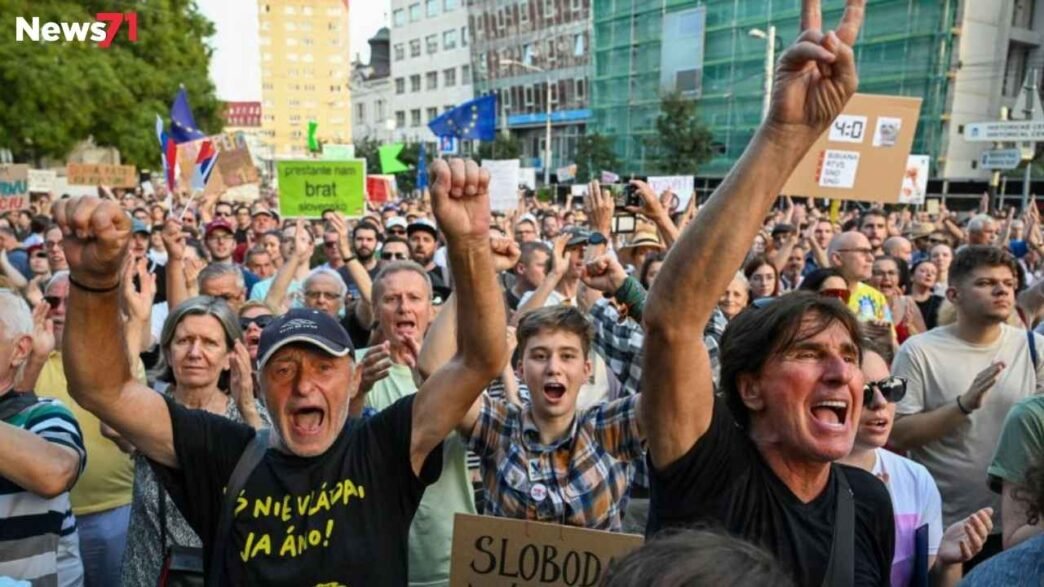
The movement peaked as Slovakia marked the anniversary of the 1989 Velvet Revolution, blending remembrance of the past with unease about the country’s current direction. Thousands attended rallies organised by opposition parties and civic groups, warning of democratic backsliding.
After his messages went viral, Muro was invited to speak at a rally in Bratislava, where he urged voters to reflect on what they were choosing at the ballot box. Weeks later, he explained that colder weather had slowed the chalk protests but stressed the movement was not over, especially with elections scheduled for 2027.
Source: theguardian.com
Protests have continued in other forms, from demonstrations against changes to the whistleblower office to students walking out when Fico eventually returned to Poprad to give his delayed lecture.
Meanwhile, Muro has faced both praise and intense criticism, including accusations from government figures and online harassment. He insists he is non-partisan and rejects claims that he is backed by political rivals.
Despite the backlash, he has no regrets. “I still believe it was the right thing to do,” he said. “It’s a powerful form of protest – visible, peaceful, and a kind of civil disobedience that lets people express themselves without breaking the law.”