


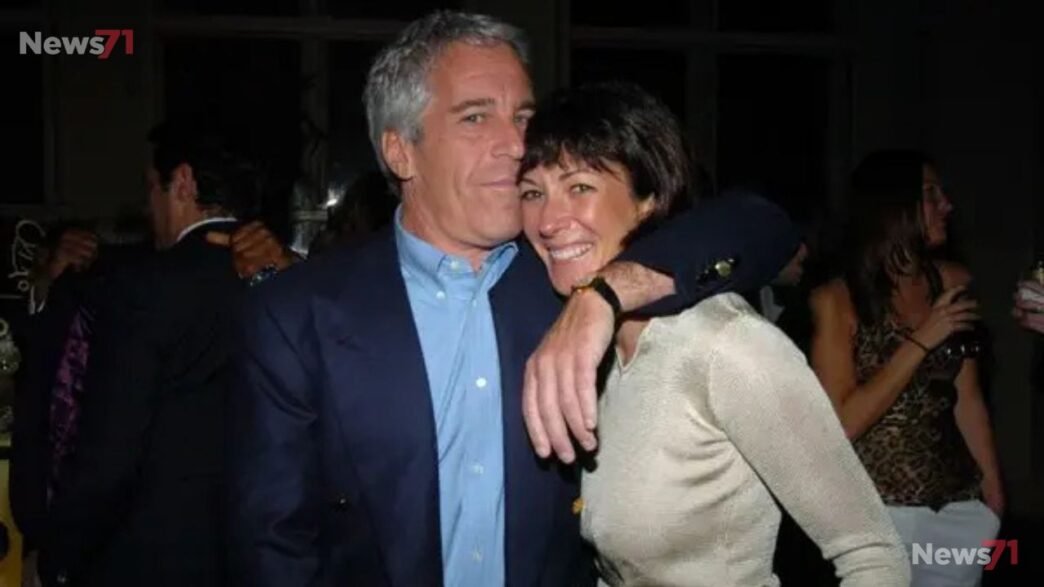
A US judge has approved the release of previously sealed grand jury transcripts connected to the 2005 and 2007 investigations involving Jeffrey Epstein, the convicted paedophile whose crimes continue to draw national attention. The decision came after the US Justice Department renewed its request following the recent passage of legislation that mandates public disclosure of all federal materials related to Epstein and his associate Ghislaine Maxwell.
The Florida court confirmed that the new law applies to unclassified records, documents, communications, and investigative material linked to Epstein and Maxwell. This includes files that have remained confidential for nearly two decades. A similar request from the Justice Department had been rejected in August because federal rules typically protect grand jury information. However, the newly approved legislation overrides those restrictions.
Unsealed Court Documents Ordered By US Judge In Jeffrey Epstein Case
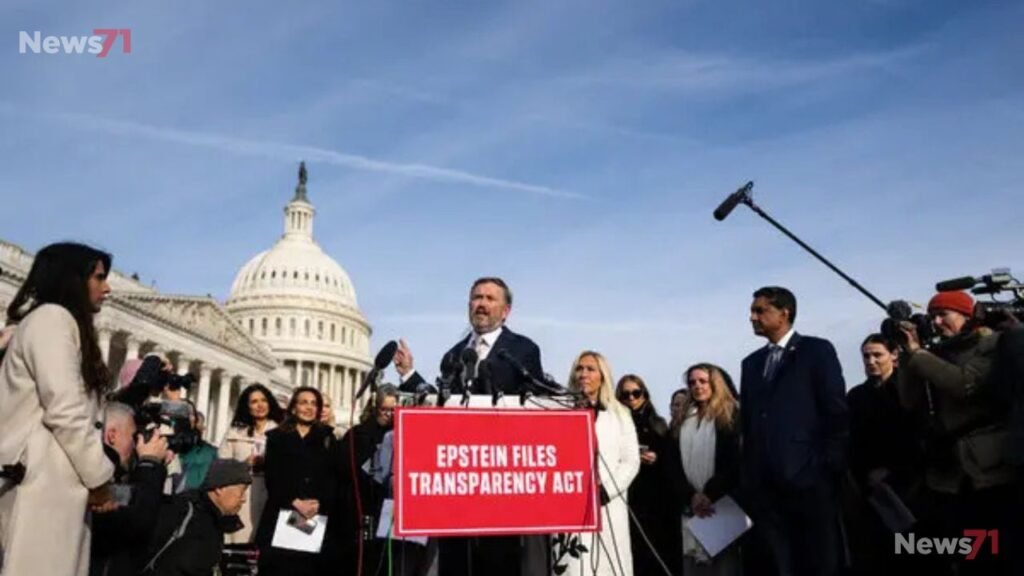
US District Judge Rodney Smith granted the governments expedited motion, ruling that the updated law supersedes earlier limitations and authorizes the unsealing of grand jury transcripts. In his order, reviewed by the BBC, Judge Smith noted that the specific language of the new act holds priority over previous prohibitions on releasing grand jury material.
The Justice Department is also pushing for the release of sealed files from Epstein’s 2019 federal sex trafficking case in New York and Maxwell’s 2021 case, which resulted in a twenty year prison sentence. These documents span the years in which Epstein was accused of abusing underage girls, a period that ended without federal charges at the time. Instead, Epstein reached a controversial non prosecution agreement in 2008 and pleaded guilty to lesser state charges, sparking long standing questions about how he was able to avoid federal accountability.
President Donald Trump signed the Epstein Files Transparency Act into law last month. The administration had previously resisted calls for full disclosure, but the law now requires the Justice Department, FBI, and federal prosecutors to release investigative files by 19 December. Epstein died in jail in 2019 while awaiting trial, further intensifying scrutiny over how authorities handled his earlier cases.
Maxwell, moved earlier this year from a Florida facility to a minimum security prison in Texas, has recently sought early release through a letter filed by her attorney in Manhattan federal court. Despite the push for transparency, the law still permits the Justice Department to withhold certain sensitive material. Items connected to active investigations, classified information, national defence, foreign policy, or anything that would reveal or endanger victims may remain sealed. Images depicting physical injury or child abuse are also exempt from mandatory disclosure.
This week, Democrats on the House Oversight Committee released photographs from Epstein’s private island in the US Virgin Islands. The images showed bedrooms and interior rooms, including one decorated with masks and another featuring a phone with names written on the speed dial buttons. With the court’s approval and the new legislation in effect, the public is expected to gain access to a substantial amount of information previously kept out of view, marking a major shift in one of the most controversial criminal cases in recent American history.
source:BBC
Also Check:
- Donald Trump vowed to usher in a new “golden age” for the US economy but where is it now?
- UK aid cuts slash funding to counter Russian influence in western Balkans
- Trump Bah! Humbug! Speech Casts a Dark Shadow Over the Holiday Season
- EU Debates Using Frozen Russian Assets as Pressure Mounts Over Ukraine’s Future
- Trump Orders Total Blockade of Sanctioned Venezuelan Oil Tankers