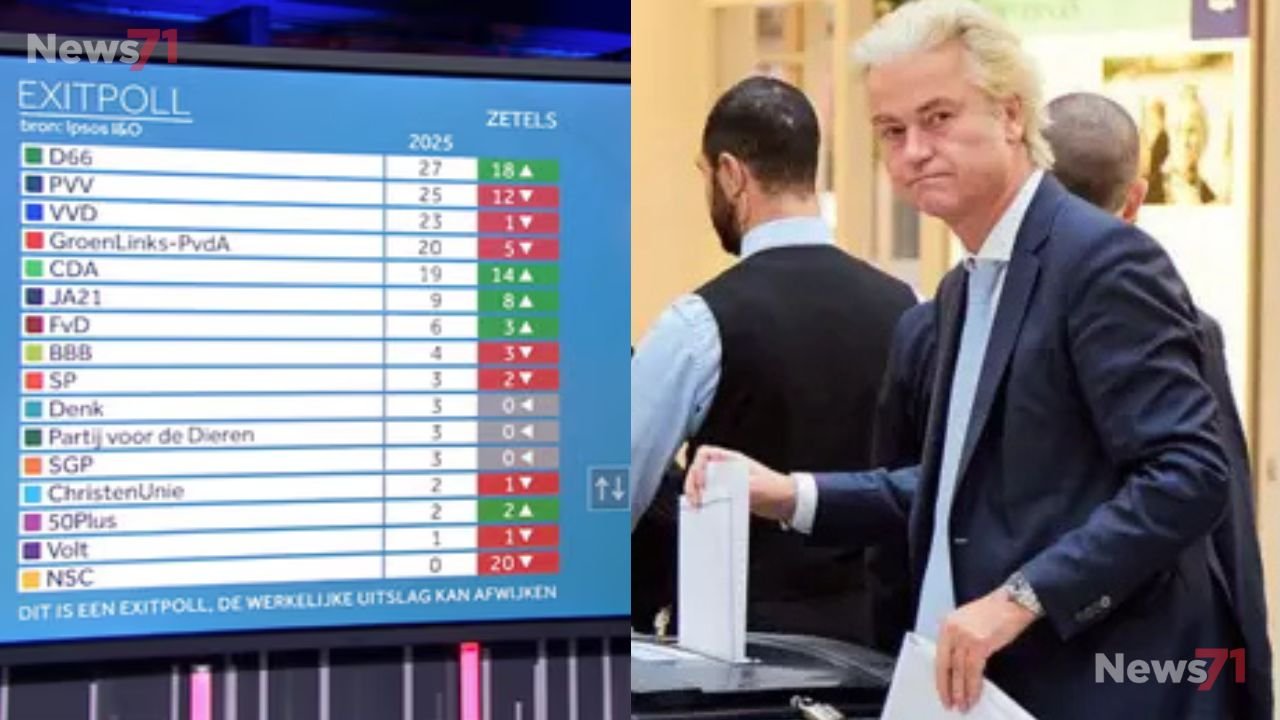

Dutch Vote is under way in the Netherlands parliamentary elections, where polls suggest Geert Wilders’s anti-immigration Freedom Party (PVV) could again emerge as the largest party though its chances of joining the next government remain slim.
The PVV, which stunned observers by winning the last election and forming a four-party conservative coalition, leads narrowly in current polls. It is projected to secure 24–28 seats in the 150-member parliament. The previous coalition collapsed after just a year when Wilders withdrew over disputes surrounding his hardline anti-refugee policies.
The election campaign has been dominated by issues such as migration, rising healthcare costs, and the country’s severe housing shortage. The centre-left GreenLeft/Labour (GL/PvdA) alliance, led by former EU Commissioner Frans Timmermans, trails just behind PVV, forecast to win 22–26 seats.
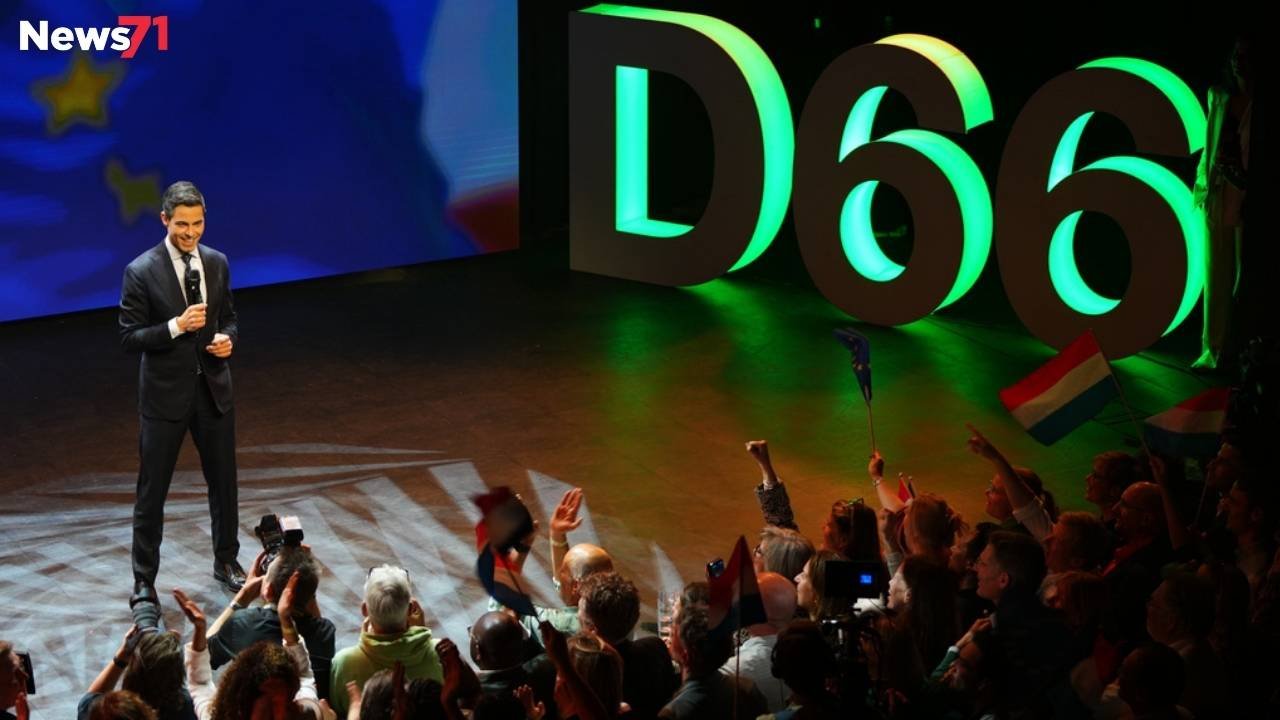
Other parties showing strong momentum include the liberal-progressive D66, expected to expand its parliamentary presence to 21–25 seats, and the centre-right Christian Democrats (CDA), who may more than double their representation to 18–22 MPs.
Dutch Voters Head to Polls as Geert Wilders
Meanwhile, the outgoing coalition parties PVV, the liberal-conservative VVD, the populist Farmer-Citizen Movement (BBB), and the centrist New Social Contract (NSC) are all projected to lose ground, some significantly.
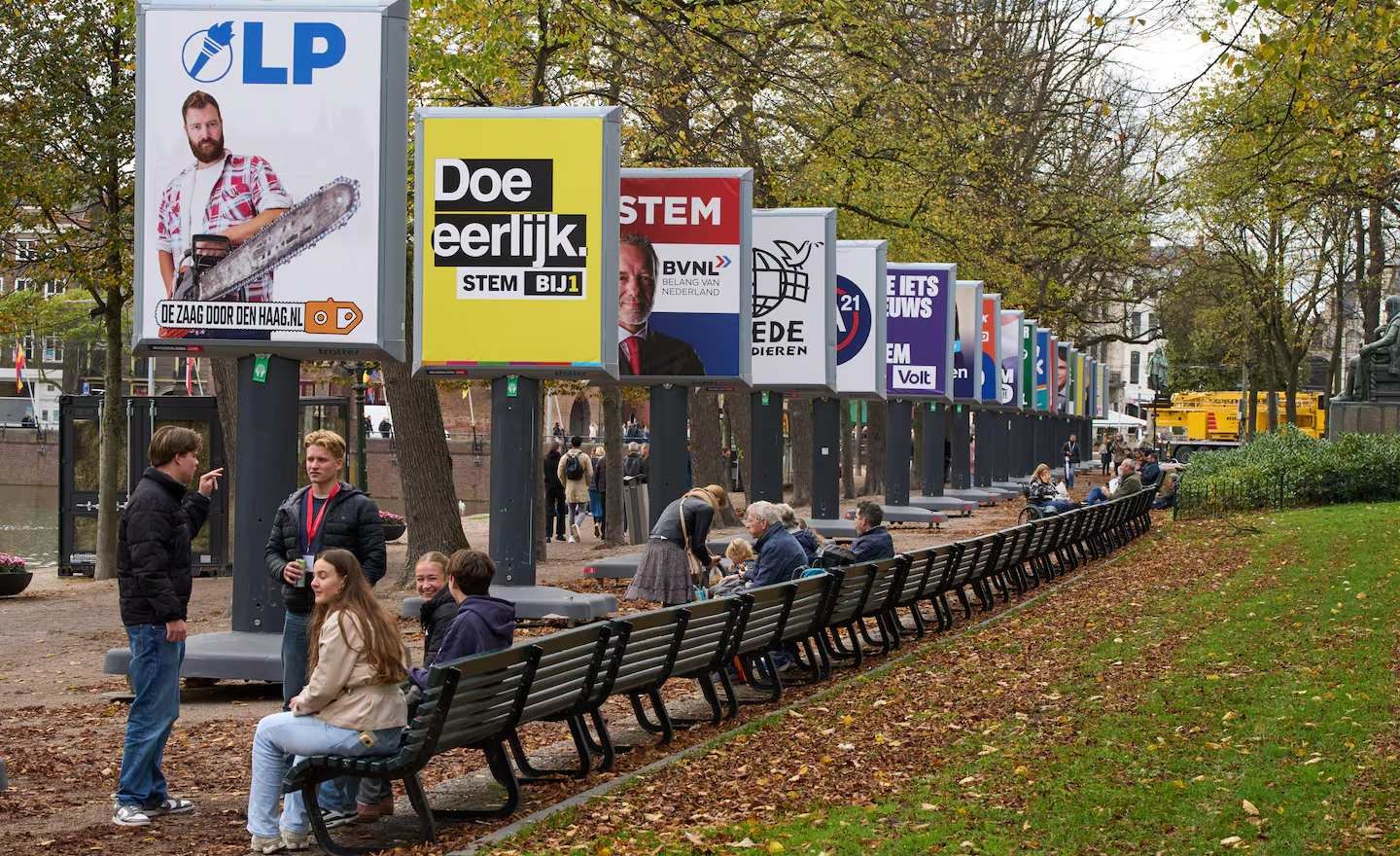
Under the Netherlands’ proportional representation system, just 0.67% of the vote is enough to win one seat. Among the 27 parties contesting the election including groups representing pensioners, youth, animals, advocates of a universal basic income, and even sports enthusiasts as many as 16 could enter parliament, underscoring the country’s deep political fragmentation.
The Netherlands has relied on coalition governments for over a century, typically involving four parties, making outright majorities nearly impossible.
Wilders has warned that “democracy will be dead” if his PVV is excluded from government despite finishing first. However, analysts and rivals argue that winning the most votes doesn’t guarantee power, and that any coalition with a parliamentary majority remains a legitimate expression of democracy.
While the final outcome remains uncertain and coalition negotiations could stretch for months, experts expect the next Dutch Vote government to be a broad-based coalition led either by the centre-left or moderate right, signaling a move away from the country’s most hardline administration in recent memory. (Source)
Polling stations including symbolic locations such as the Madurodam miniature park in The Hague and the Anne Frank House in Amsterdam opened at 7:30 a.m. local time (6:30 a.m. GMT) and will close at 9:00 p.m., with a reliable exit poll expected soon after.
Once votes are counted, an informateur will explore possible coalition options capable of securing a majority. The chosen partners will then negotiate a four-year governing agreement, which must win a confidence vote in parliament before the new cabinet takes office.