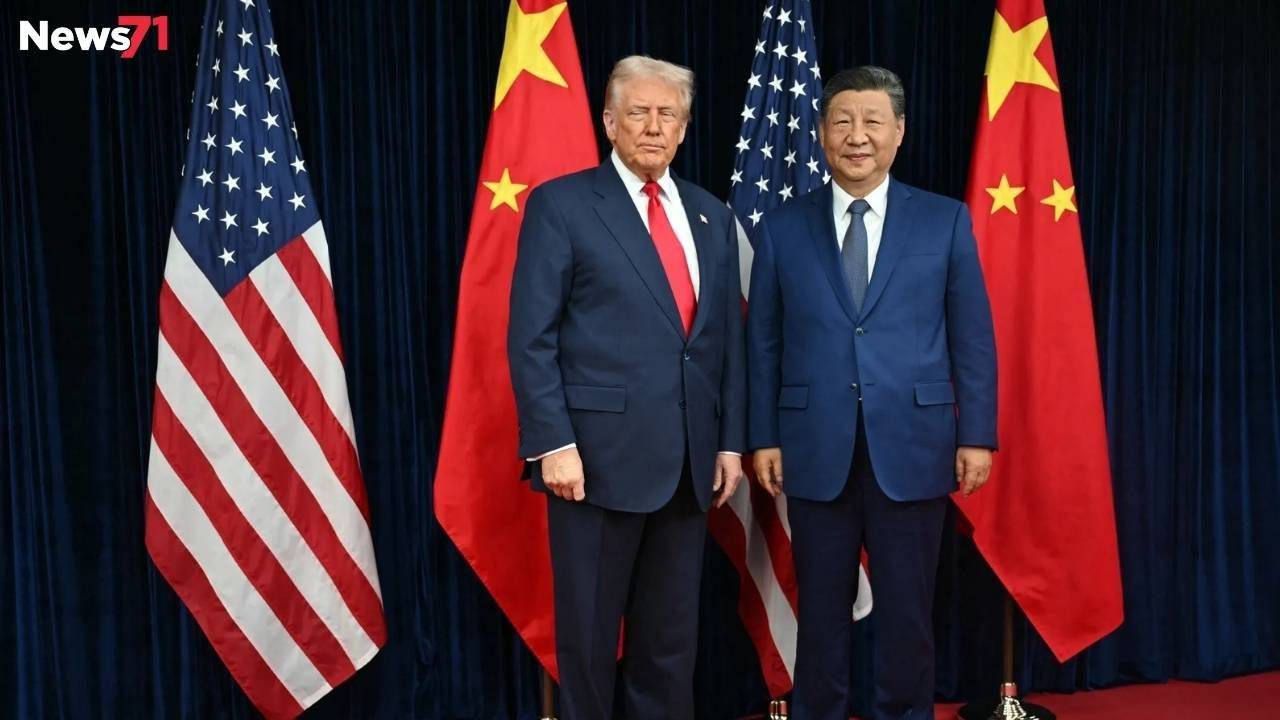

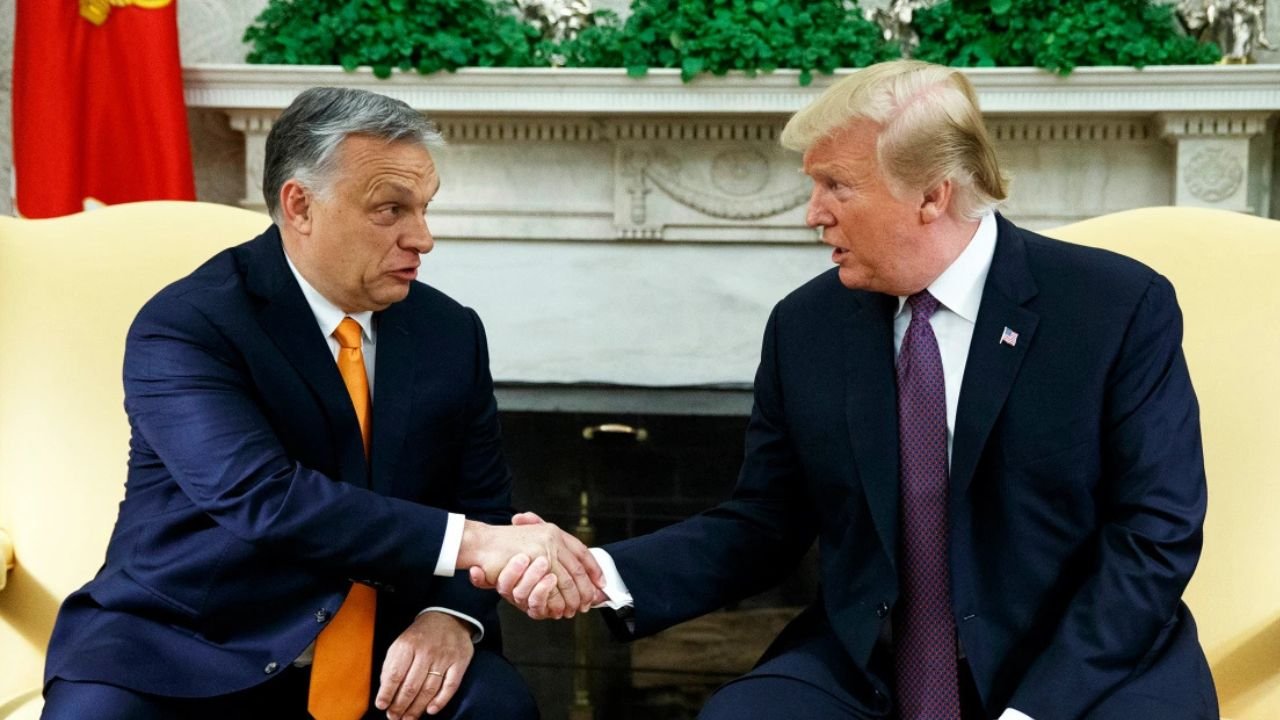
Viktor Orban, Hungary’s long-serving prime minister, spoke at the Vatican this week about a war-opposing network with two centers of influence: one led by the United States president and the other represented spiritually by the Pope. We draw strength, motivation, and blessing from both, Orban said after meeting Pope Leo in Rome. His words hinted at the difficult meeting awaiting him in Washington, where he is set to face his political ally, US President Donald Trump. The man Trump once praised as a great leader now faces a clash of interests with the White House over Hungary’s heavy dependence on Russian oil. Trump has recently intensified efforts to pressure Moscow to end the war in Ukraine by tightening sanctions on Russia’s largest oil companies. Yet Viktor Orban sees those measures as harmful to Hungary’s national interests. From a Hungarian point of view, yes, he said when asked if Trump’s sanctions had gone too far.
Viktor Orban’s Balancing Act Between Russian Oil and Trump’s Pressure
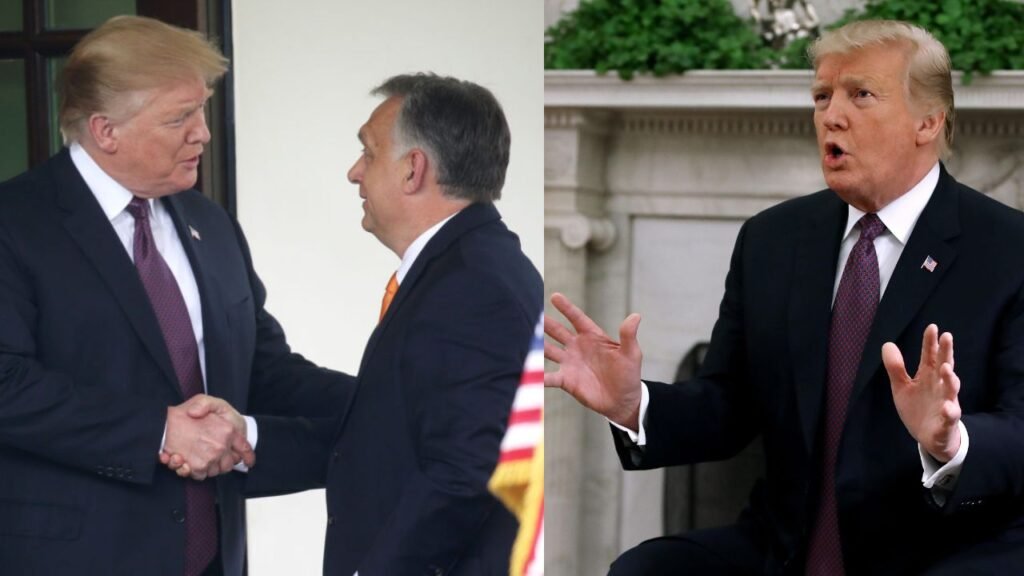
Orban has long used Hungary’s reliance on Russian energy as both a political and economic tool. It has allowed him to challenge Brussels, maintain cordial ties with Moscow, and present himself to voters as a protector of cheap energy. However, this strategy faces growing strain as Hungary’s opposition leader, Peter Magyar of the Tisza party, gains momentum ahead of next April’s election. Compounding Orban’s troubles, Ukrainian drone strikes earlier this year temporarily disrupted supplies through the Druzhba pipeline. The interruption underscored Hungary’s vulnerability and reignited debate over its dependence on Russian oil. Behind the scenes, Viktor Orban’s government had been planning a high-profile peace summit in Budapest involving Trump and Russian President Vladimir Putin. The event was intended to showcase Orban as an influential international mediator. However, those plans collapsed when the White House abruptly canceled the summit on October 21.
The main tension now centers on Washington’s demand that Hungary and Slovakia rapidly reduce their use of Russian crude. Despite calls for diversification, Hungary continues to receive around 80 percent of its oil through the Druzhba pipeline. Officials in Budapest argue that, as a landlocked country, Hungary has few alternatives. Energy experts disagree. They point to the Czech Republic, which once relied heavily on Russian oil but successfully transitioned to Brent crude through the Transalpine pipeline from Italy. The Czechs adapted their refineries and, by April 2025, completely eliminated Russian imports. Analysts say Hungary could do the same through the Adria pipeline via Croatia’s port of Omisalj. The technology is ready, but a clear political decision from Viktor Orban’s government is still missing. US officials, including the ambassador to NATO, have publicly urged Budapest to act, promising American support to ease the transition.
For Orban, the choice is both political and personal. Accepting Trump’s push to end Russian dependence could mean losing face after years of claiming Hungary cannot survive without Moscow’s energy. Yet resisting US pressure risks damaging his relationship with the very ally he depends on most. Viktor Orban now faces a defining moment that could shape Hungary’s future—and his own legacy.
source:BBC