
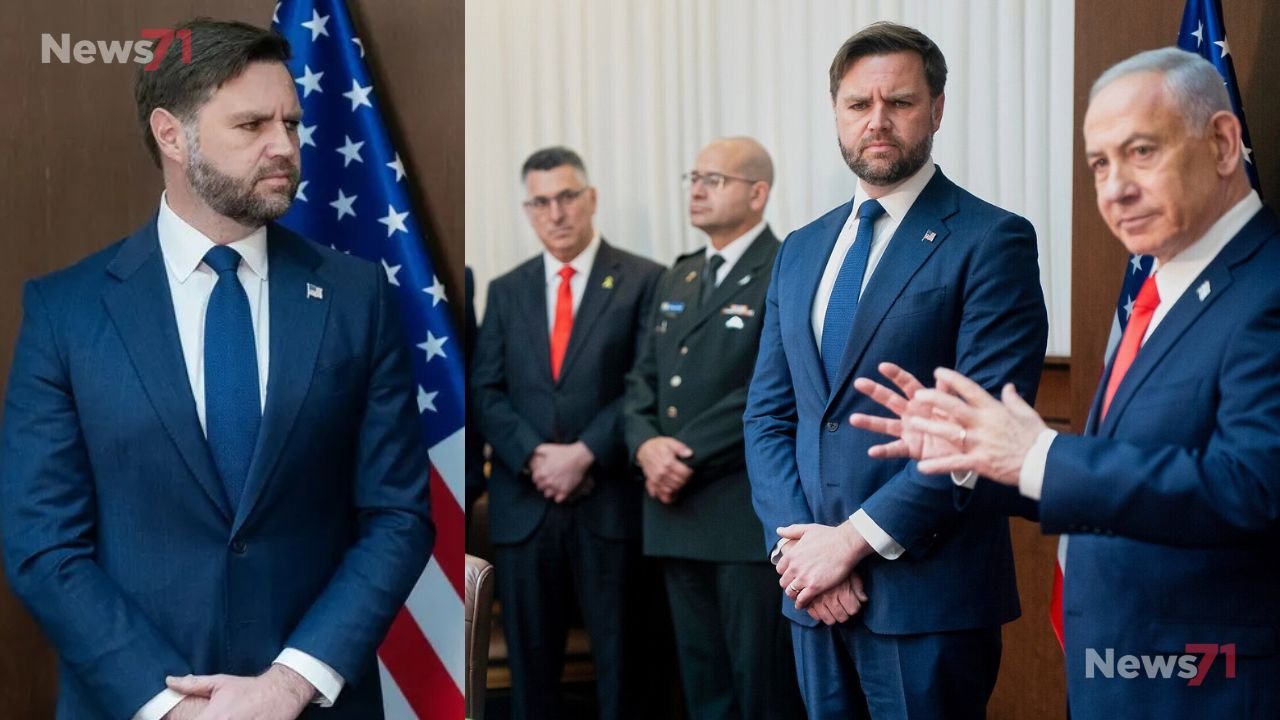
Vance Clarifies,Vice President JD Vance sought to clear the air regarding the United States’ involvement in the ongoing Gaza ceasefire, emphasizing that recent visits by senior American officials to Israel were aimed at cooperation, not control. During a press conference in Jerusalem following his meeting with Prime Minister Benjamin Netanyahu, Vance clarified that the U.S. role was to support the truce process rather than supervise it in a paternalistic way. He dismissed any notion that American officials were there to oversee Israel’s actions, stressing that Washington views Israel as a full partner rather than a subordinate ally.
Vance stated that the relationship between the two nations was based on respect and shared strategic goals. He underlined that the U.S. does not seek to create a dependent or client state in the Middle East, but rather a strong partner capable of managing its own regional challenges. The vice president’s comments came just over a week after President Trump’s visit to Israel, as the administration continues efforts to stabilize the recently negotiated Gaza truce. The ceasefire, part of a framework inspired by proposals from September, aims to end two years of devastating conflict between Israel and Hamas. Vance acknowledged that maintaining peace would not be easy, pointing to continued skirmishes and the fragile nature of the agreement. He noted that U.S. officials, including Secretary of State Marco Rubio, Trump’s Middle East envoy Steve Witkoff, and senior adviser Jared Kushner, were coordinating efforts to ensure both sides adhere to the terms of the truce.
Vance Clarifies U.S.-Israel Partnership Amid Gaza Ceasefire Monitoring
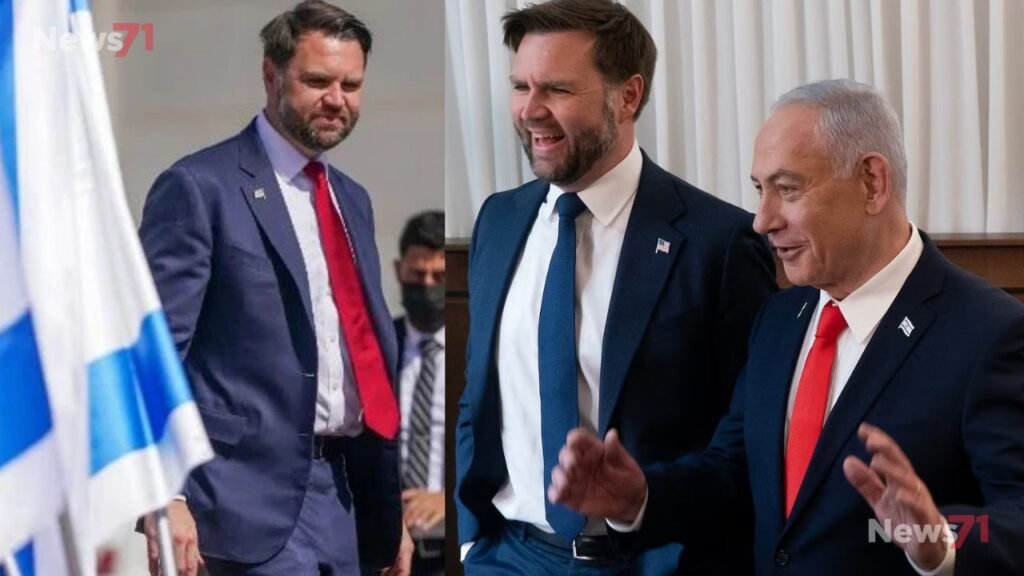
Sources within the Trump administration have expressed concern that Prime Minister Netanyahu might withdraw from the deal under pressure from hardliners. According to officials, Vance and his team are focused on preventing a renewed escalation and encouraging Israel to maintain its commitment to peace. Vance reaffirmed that the ultimate goal of U.S. involvement is to achieve a sustainable peace in the region, one that reduces America’s need to directly intervene. He emphasized that lasting stability depends on regional actors taking greater responsibility for their security and governance. As part of this vision, the administration plans to expand the Abraham Accords, the landmark agreements that normalized relations between Israel and several Arab nations. The Gaza peace plan, Vance explained, is seen as a critical extension of that effort. However, key obstacles remain unresolved, particularly the issue of disarming Hamas. Netanyahu has long maintained that disarmament is a non-negotiable condition for ending the war, while Hamas views the demand as surrender. Vance declined to provide specific details about how the U.S. and its partners intend to address the challenge, but affirmed that discussions are ongoing. Vance concluded by stressing that Washington remains committed to guiding the ceasefire toward a durable peace. While the path forward may be uncertain, he said, progress depends on collaboration and trust between allies rather than coercion or supervision.
ALSO READ: New Study Ranks the Physical Health Effects of Antidepressants Worldwide